
Introduction
Joshua Maponga, widely known as Bishop Joshua Maponga, is a Zimbabwean-born public speaker, philosopher, author, preacher and Pan-African advocate recognised for his thought-provoking discussions on African identity, spirituality, culture, leadership and economic independence. Over the years, he has attracted attention across Africa and among international audiences through his speeches, interviews and public appearances, in which he challenges conventional ideas about religion, colonial history, Western influence and the future of African societies. His distinctive presentation style, outspoken opinions and emphasis on indigenous African knowledge have made him a notable and sometimes controversial voice in contemporary Pan-African discussions.
Joshua Maponga’s work focuses on encouraging Africans to reconsider their cultural heritage, historical experiences and role in shaping the continent’s future. He frequently discusses the importance of self-reliance, responsible leadership, local economic development and the preservation of traditional knowledge. Through public lectures and media interviews, he questions whether existing political, religious and educational systems adequately reflect African experiences and aspirations. His views on democracy, governance and traditional African institutions have generated discussions among supporters and critics, making him a prominent participant in broader conversations about African identity, political reform and development.
In recent years, Joshua Maponga has continued to draw public interest through his speeches, interviews and commentary on Africa’s social, political and economic challenges. Reports about his August 2026 address at the Pan-African Pyramid Global Awards in Uganda brought renewed attention to his arguments about cultural identity, indigenous resources and economic sovereignty. His public profile also reflects the growing interest in alternative perspectives on African development and the relationship between tradition and modernity. This biography explores Joshua Maponga’s background, education, career, personal life, public influence, social media presence, estimated net worth and legacy, while distinguishing publicly reported information from details that remain unverified.
Early Life of Joshua Maponga
Joshua Maponga was born and raised in Zimbabwe, a country in southern Africa with a rich cultural heritage and a complex history shaped by indigenous traditions, colonial rule and the struggle for independence. His early experiences in Zimbabwe are an important part of understanding his later interest in African identity, spirituality, traditional knowledge and social development. Although Maponga has spoken publicly about African history and cultural values, detailed, independently verified information about his exact date of birth, childhood home, parents and early family circumstances is not widely available. Consequently, some aspects of his upbringing remain private, and claims about his childhood should be treated cautiously unless supported by reliable sources.
Growing up in Zimbabwe provided the cultural and historical background against which Maponga developed many of the interests that would later define his public work. His subsequent speeches and discussions have frequently explored the relationship between African traditions and Western cultural influence, particularly in religion, education, leadership and economic development. He has encouraged African audiences to examine their heritage critically, preserve valuable indigenous knowledge and develop confidence in their own histories and identities. While it is difficult to establish precisely when these interests first emerged, they have become recurring themes throughout his public career.
As he grew older, Joshua Maponga developed an interest in religious thought, public communication, African philosophy and questions concerning the future of the continent. His eventual involvement in preaching, public speaking and Pan-African advocacy brought these interests to a wider audience. Rather than accepting conventional explanations of African social and political challenges without question, he became known for encouraging people to reconsider established beliefs and explore alternative perspectives on culture, spirituality and governance. Although comprehensive details about his formative years remain limited in publicly available biographical records, his later work demonstrates the importance he places on African heritage, independent thinking and the need for Africans to participate actively in shaping their societies.
Education of Joshua Maponga
Joshua Maponga’s educational background is an area of his biography for which detailed, independently verified information remains limited. Although he is widely recognised as a public speaker, religious figure, author and Pan-African thinker, reliable public records do not clearly establish the names of all the schools he attended during his childhood and adolescence in Zimbabwe. Information about his primary and secondary education, including the institutions and dates involved, is not sufficiently documented to provide a complete account. Nevertheless, his public presentations demonstrate a sustained interest in history, culture, spirituality, philosophy and the social questions affecting African societies.
Beyond formal schooling, Maponga’s public work reflects an interest in religious studies, African history, indigenous knowledge and political philosophy. Through speeches, interviews and discussions, he examines how colonialism, religion, education and Western intellectual traditions have influenced African societies. He frequently encourages audiences to question inherited assumptions and to consider the relevance of traditional African knowledge in contemporary life. However, the precise academic qualifications, university attendance and professional training associated with these interests should not be assumed without reliable documentation. His public reputation is primarily associated with his speaking, religious and intellectual activities rather than a clearly established list of academic degrees.
Joshua Maponga’s approach to learning also places considerable emphasis on questioning established ideas and exploring knowledge beyond conventional educational institutions. His discussions encourage people to investigate African history, understand their cultural heritage and consider different perspectives on leadership, governance and economic development. Through public lectures and media appearances, he communicates ideas to audiences interested in African identity and the continent’s future. While further verified information about his formal educational qualifications would help provide a more complete picture of his academic journey, his public career demonstrates a continuing engagement with intellectual debate, cultural reflection and the exchange of ideas.
Career of Joshua Maponga
Beginning of His Career in Ministry and Public Speaking
Joshua Maponga, popularly known as Bishop Joshua Maponga, built his public profile through religious ministry, public speaking and discussions about African culture, spirituality and social transformation. His work as a preacher and religious speaker helped establish his reputation as someone willing to challenge conventional ideas about faith, history and society. Over time, his public discussions expanded beyond strictly religious subjects to include questions about colonialism, African identity, political leadership, economic development and the preservation of indigenous knowledge. His approach combines philosophical reflection with direct, sometimes provocative commentary intended to encourage audiences to reconsider familiar assumptions.
Development as a Pan-African Thinker
A significant part of Maponga’s career has involved promoting Pan-African ideas and encouraging Africans to examine their cultural heritage and historical experiences. He frequently questions the tendency to measure African progress primarily through Western institutions, educational models and economic standards. In his presentations, he advocates greater appreciation for indigenous knowledge, traditional values and locally developed solutions to African challenges. These themes have helped him connect with audiences interested in decolonisation, cultural restoration and African self-determination. His work also contributes to wider debates about how African societies can balance inherited traditions with contemporary political, technological and economic realities.
Career as an Author and Intellectual Commentator
Maponga is also known for communicating his ideas through writing, interviews, public discussions and educational presentations. His commentary addresses religion, philosophy, leadership, history and the social structures that influence African communities. Rather than limiting his public message to one subject, he draws connections between personal development, cultural identity and the broader responsibility of African societies to determine their own futures. Specific bibliographic details about all his published works are not consistently established in readily available sources, so individual book titles and publication dates should be verified before being included in a definitive list of his publications.
Public Appearances and Media Recognition
Public speaking and media interviews have become important parts of Maponga’s career, allowing him to reach audiences beyond Zimbabwe. Through interviews and recorded discussions, he has participated in conversations about African political systems, spirituality, leadership and the legacy of colonialism. His willingness to challenge established political and cultural assumptions has helped make him a recognisable figure in Pan-African discourse. His public appearances also provide opportunities for supporters and critics to examine his arguments, particularly when he discusses democracy, military leadership and alternative governance models.
Joshua Maponga’s August 2026 Appearance in Uganda
One of the notable developments in Maponga’s recent public career was his reported address at the ninth Pan-African Pyramid Global Awards in Uganda on August 29, 2026. According to a report by Mulengera News, he used the occasion to encourage Africans to take greater responsibility for their cultural and economic future. His appearance drew attention partly because of his distinctive traditional-style clothing and his emphasis on indigenous identity. The speech reflected themes that have remained central to his public work, including African self-reliance, local control of natural resources and the need to reconsider inherited models of development.
Views on African Governance and Political Leadership
Another prominent dimension of Maponga’s career is his commentary on democracy and governance. In a January 2026 interview with *The Chanzo*, he expressed arguments favouring the potential effectiveness of military-led governments in implementing certain development projects, referring to countries such as Burkina Faso and Mali. These views have contributed to discussions about political accountability, development and the effectiveness of different governing systems. His arguments remain subject to debate, particularly because questions of development must also be considered alongside civil liberties, constitutional protections and democratic accountability. His career therefore involves not only promoting a particular vision of African development but also participating in contentious conversations about how African countries should be governed.
Controversies and Public Debate
Maponga’s outspoken style has attracted both support and criticism. Admirers may appreciate his emphasis on African dignity, indigenous knowledge and independence from inherited cultural assumptions, while critics question some of his political proposals and interpretations of governance. In September 2026, commentary published by *The Zambian Observer* challenged ideas attributed to him concerning indigenous governance and raised questions about accountability, citizens’ rights and safeguards against the abuse of power. Such debate illustrates the controversial nature of some of his public positions, although an opinion article should not be mistaken for an official finding or a definitive account of his views.
Joshua Maponga’s Influence and Continuing Work
Joshua Maponga’s career reflects the intersection of religious ministry, public communication, cultural advocacy and political commentary. His central message encourages Africans to reflect on their histories, value indigenous knowledge and take a more active role in determining their economic and political futures. Through public appearances, interviews and discussions, he has contributed to debates about African identity and development. His influence is best understood through the ideas he presents and the responses they generate, rather than through unverified claims about his audience size, professional earnings or institutional positions. As his public work continues, his speeches and commentary remain subjects of interest for people following discussions about Pan-Africanism, cultural identity and governance.
Why Is Joshua Maponga Trending?
Joshua Maponga has attracted renewed public attention following his keynote address at the ninth Pan-African Pyramid Global Awards held on August 29, 2026, in Uganda. The Zimbabwean Pan-African thinker spoke about Africa’s development, cultural identity, economic sovereignty and the importance of Africans taking greater responsibility for shaping their future. His appearance at the international gathering brought his ideas to a wider audience and renewed interest in his perspectives on the continent’s social, political and economic challenges. Reports published after the event highlighted his call for Africans to reconsider inherited systems and place greater value on indigenous knowledge and cultural heritage.
Another reason Joshua Maponga is attracting attention is his outspoken commentary on political leadership and governance in Africa. In a January 2026 interview with *The Chanzo*, he discussed the potential effectiveness of military-led governments in implementing certain development projects, referring to Burkina Faso and Mali. His views have contributed to wider discussions about democracy, political accountability, economic development and alternative governance models. While some audiences are interested in his willingness to question established political systems, others challenge his arguments and stress the importance of constitutional protections, civil liberties and democratic accountability. These contrasting responses have helped keep his political commentary part of the broader Pan-African debate.
Maponga’s continuing emphasis on African identity and economic independence is also central to his public profile. He encourages Africans to examine the effects of colonial history, reconsider attitudes towards indigenous traditions and explore ways to retain more value from the continent’s natural resources. His distinctive public appearances and direct speaking style have further contributed to interest in his message. As conversations about African unity, cultural preservation and self-determination continue, Maponga remains a recognisable voice in these discussions. His recent public attention is therefore connected primarily to his August 2026 address and his wider views on Africa’s future, rather than to a separately confirmed breaking announcement on October 12, 2026.
Personal Life and Family of Joshua Maponga
Joshua Maponga, whose full name is reported as Joshua Marara Maponga III, was born in Zimbabwe and has spoken extensively about the importance of family, cultural identity and community in African society. According to biographical accounts, he is the eldest of five children born to Lazarus Maponga and Sibanda Maponga. His family background has been discussed in connection with his interest in religion, African traditions and social responsibility. Academic research on his work also highlights the relationship between his theological ideas, indigenous African belief systems and the importance of family and community. However, detailed information about his private relationships and family experiences remains limited in independently verified public records.
Regarding his marriage and children, published biographical accounts identify Joshua Maponga as a married man and report that he has two daughters. Some online biographies name Matlali Solfafa-Maponga as his wife, although the current status of their relationship is not clearly established by recent, reliable sources. Maponga has also been associated with discussions of fatherhood and family life, including reports that the experience of raising his daughters inspired his interest in writing about practical life skills. Because he generally keeps many details of his family life away from public attention, claims about a fiancée, a new marriage or changes in his relationship status should not be presented as facts without further confirmation.
Beyond his immediate family, Maponga’s public philosophy places considerable emphasis on community, cultural continuity and the responsibility of individuals to contribute to society. His discussions frequently explore how African traditions can inform family relationships, education, spirituality and the development of future generations. Although his public career has sometimes brought controversy and intense media attention, his family members have largely remained outside the centre of his public activities. Overall, Joshua Maponga’s personal life reflects a distinction between his highly visible career as a preacher and Pan-African commentator and the more private aspects of his role as a husband, father and family member. Further verified information would be needed to establish the current status of his marriage or provide additional names of close family members.
Joshua Maponga’s Age, Religion, Nationality, Health and Physical Appearance
Age
Joshua Maponga, also known as Joshua Maponga III or Bishop Joshua Maponga, was born in 1973, according to published biographical accounts. As of October 2026, he is approximately 52 or 53 years old, depending on his exact birth date. Some online biographies list July 18, 1973, as his birthday, which would make him 53 years old. However, this date is not consistently confirmed by authoritative sources. Maponga is known for his work as a public speaker, author, philosopher and Pan-African cultural advocate, with much of his public commentary focusing on African identity, spirituality and social development.
Religion
Religion has played a significant role in Joshua Maponga’s life and professional development. He received theological training and became associated with the Seventh-day Adventist Church, following a path that was also connected to his father’s religious background. Over time, however, his theological views developed in directions that challenged conventional Christian interpretations, particularly regarding the representation of Jesus, African cultural identity and indigenous spiritual traditions. Academic research published in *HTS Theological Studies* in 2025 examines how Maponga combines themes from Black theology, African cultural identities and indigenous belief systems in his public teachings. His religious outlook has therefore become an important part of his public identity and a subject of theological debate.
Nationality
Joshua Maponga is Zimbabwean by nationality and is widely identified with Zimbabwe’s cultural and intellectual landscape. His work has also taken him beyond his home country, including periods in South Africa, Eswatini and the United Kingdom. These experiences have contributed to his international outlook and his engagement with discussions about African history, cultural preservation and economic independence. Through his public speaking and philosophical commentary, he addresses audiences across national boundaries, encouraging Africans to reflect on their shared historical experiences while recognising the cultural diversity of the continent. His identity as a Zimbabwean remains central to his public biography and his advocacy for African self-determination.
Health
There is limited reliable, publicly available information about Joshua Maponga’s current health status, and no confirmed medical diagnosis should be attributed to him without credible evidence. In March 2026, a news report stated that he had been hospitalised following a road accident in Zimbabwe and described his injuries as non-life-threatening. However, that report does not establish his medical condition as of October 2026. It is therefore important not to make assumptions about his present health or recovery without a more recent, trustworthy update.
Physical Appearance
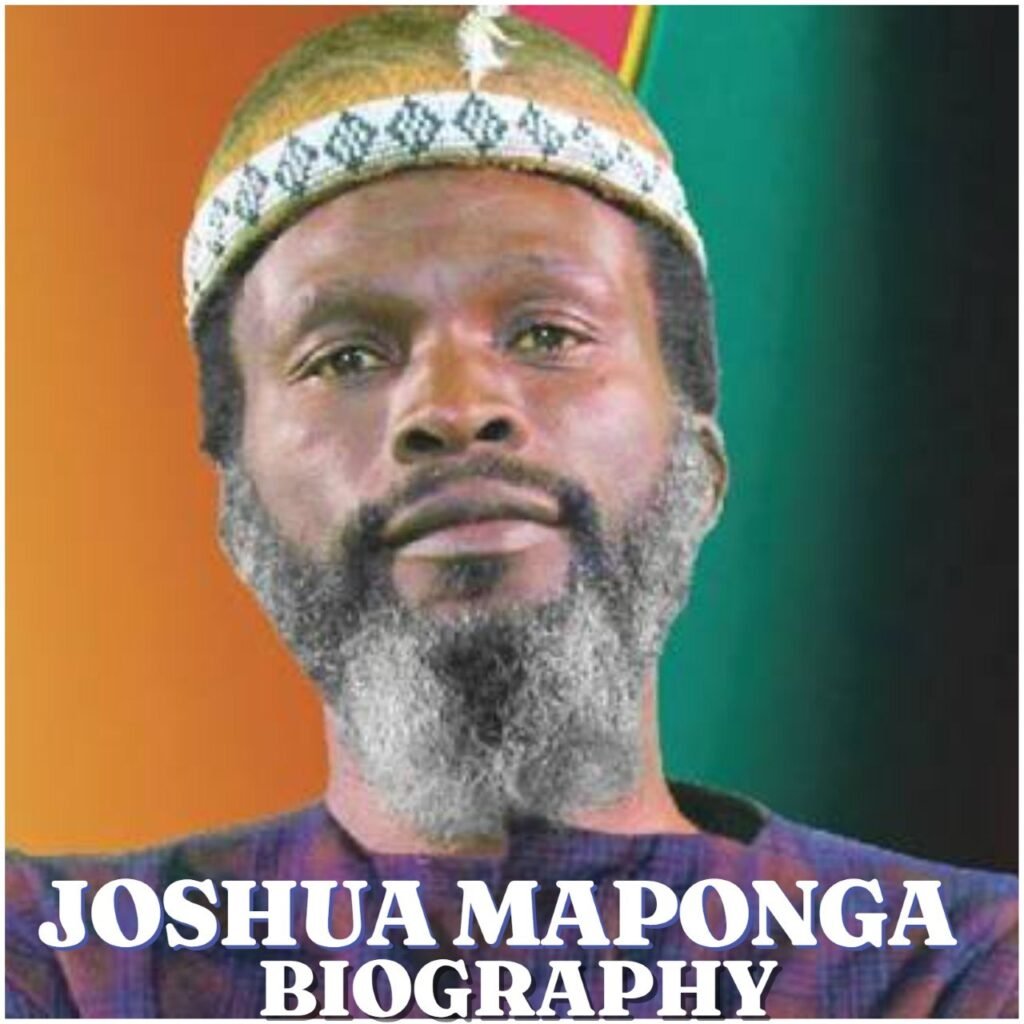
Joshua Maponga is recognisable for his distinctive public presentation, expressive speaking style and interest in African cultural attire. At some public appearances, he has worn traditional-style clothing and accessories that reflect his advocacy for indigenous identity and cultural expression. His appearance often forms part of the message he communicates about reclaiming African heritage and challenging the assumption that professional or intellectual authority must be expressed through Western dress codes. At the Pan-African Pyramid Global Awards in Uganda in August 2026, reports highlighted his appearance in animal-skin clothing as part of his cultural statement. His public presentation is closely associated with the themes of African identity, tradition and self-expression that feature throughout his work.
Joshua Maponga’s Age, Religion, Tribe, Height and Physical Appearance
Age
Joshua Maponga III, also known as Bishop Joshua Maponga, was born in 1973, according to published biographical and academic accounts. As of October 2026, he is approximately 52 or 53 years old, depending on his exact birth date. Some online biographies list July 18, 1973, as his birthday, which would make him 53 years old. However, this date is not consistently confirmed by authoritative sources. Maponga is known for his work as a public speaker, author, philosopher and Pan-African cultural advocate, with much of his public commentary focusing on African identity, spirituality and social development.
Religion
Religion has played a major role in Joshua Maponga’s personal and professional journey. He received theological training at Andrews University in the United States and was associated with the Seventh-day Adventist Church, following a path influenced by his father’s work as a pastor. His later teachings developed beyond conventional Seventh-day Adventist theology, incorporating discussions of African spirituality, indigenous belief systems and cultural identity. Academic research published in 2025 examines how Maponga draws on Black theology and African cultural traditions to challenge Western-centred interpretations of Christianity. Research accounts also report that he was excommunicated from the Seventh-day Adventist Church in 2020 following controversy surrounding his teachings. His current religious outlook is best understood through his public discussions, which increasingly emphasise African-centred spirituality and indigenous knowledge.
Tribe and Ethnic Background
Joshua Maponga is Zimbabwean, but his specific ethnic group or tribe is not clearly established in reliable, readily available public sources. Zimbabwe is home to several ethnic communities, including Shona and Ndebele populations, among others, but it would be inappropriate to assign Maponga to a particular group without verified information. His public work places considerable emphasis on African cultural identity, ancestral knowledge, indigenous traditions and the importance of preserving local histories. Through his speeches and writing, he encourages Africans to understand their heritage and reconsider the influence of colonial institutions on their cultural identities. Although these themes are central to his public philosophy, they do not independently establish his specific tribal affiliation.
Height
Joshua Maponga’s exact height has not been reliably confirmed by authoritative biographical sources. Some entertainment and biography websites publish estimates of his height, but these figures are not consistently supported by dependable records. For an accurate biography, it is therefore preferable to state that his height is publicly unverified rather than present an uncertain measurement as an established fact. His professional recognition comes primarily from his work as a speaker, author, theologian and advocate for African cultural identity, rather than from physical characteristics.
Physical Appearance
Joshua Maponga is recognisable for his distinctive presentation during public appearances, particularly his use of traditional African-inspired clothing to communicate ideas about cultural identity and indigenous heritage. His appearance often complements the themes of his speeches, which challenge the assumption that African intellectual, spiritual and professional authority must conform to Western cultural expectations. At the Pan-African Pyramid Global Awards in Uganda in August 2026, reports highlighted his appearance in animal-skin clothing as part of his cultural statement. Through his clothing, expressive delivery and public presentation, Maponga seeks to draw attention to African traditions, historical consciousness and cultural self-expression. His visual identity has consequently become closely associated with his broader Pan-African philosophy.
Social Media Presence of Joshua Maponga
Joshua Maponga maintains a public presence through social media and online video platforms, where his speeches, interviews and discussions about African identity, spirituality, indigenous knowledge and Pan-Africanism reach audiences across different countries. His content explores cultural heritage, leadership, economic independence and the relationship between traditional African beliefs and contemporary society. Academic researchers studying his work have examined material published on YouTube, Facebook, Instagram and TikTok, highlighting the importance of these platforms in communicating his ideas and expanding public discussion of his teachings.
Among the social media accounts associated with his name is **@MapongaJQuotes** on Threads, a profile dedicated to sharing quotations attributed to Joshua Maponga III and promoting his ideas about African identity and independent thinking. However, this account should not automatically be treated as his personal or officially verified account. Researchers have also documented his public content on YouTube, Instagram, Facebook and TikTok, although the exact current official handles for each platform could not be independently confirmed.
Through his online presence, Maponga can connect with audiences interested in African philosophy, cultural preservation, religion and social transformation. His recorded interviews and public presentations allow viewers to engage with his arguments, revisit his speeches and participate in discussions about Africa’s future. For readers wishing to follow his work, it is advisable to check account biographies and links to establish whether a page is personally operated by him or maintained by supporters. His continued use of digital media forms an important part of his public communication as a speaker, author and Pan-African thinker.
Joshua Maponga Net Worth
Joshua Maponga’s exact net worth has not been independently verified, and there is no publicly available financial statement establishing the full value of his assets, investments and business interests. However, his professional activities as a public speaker, author, theologian, consultant and social entrepreneur provide several potential sources of income. Some online biography websites estimate his net worth at approximately **US$200,000**, but this figure should be treated as an unverified estimate rather than a confirmed statement of his current wealth.
A significant potential source of Maponga’s income is his work as a public speaker and consultant. His professional profile lists experience in leadership development, motivational speaking, strategic planning, organisational development and business consultancy. He is also associated with Farmers of Thought, an initiative focused on African intellectual development and cultural awareness. Depending on the nature of his engagements, these activities may generate income through speaking fees, consulting assignments, workshops and educational programmes. However, the exact amounts he earns from these activities have not been publicly established.
Maponga may also earn income through book sales, media projects, television appearances and other entrepreneurial activities. Academic research on his work describes his involvement in writing, television production, public presentations and businesses such as marketing, consultancy and construction during his time in the United Kingdom. These professional activities demonstrate that his career extends beyond religious ministry alone. Nevertheless, without verified information about his current earnings, business ownership, liabilities and investments, his overall wealth cannot be calculated accurately. For biographical purposes, the reported estimate of US$200,000 can be mentioned with a clear qualification that it has not been independently confirmed.
Legacy of Joshua Maponga
Joshua Maponga’s legacy is closely associated with his efforts to encourage Africans to rediscover their cultural identity, appreciate indigenous knowledge and reconsider the historical influences that have shaped their societies. Through his work as a preacher, author, public speaker and Pan-African thinker, he has challenged audiences to examine the relationship between African traditions and Western cultural institutions. His discussions of spirituality, colonial history, leadership and economic independence have contributed to wider conversations about how African communities can preserve their heritage while responding to contemporary challenges. By placing African experiences at the centre of his public message, Maponga has become a recognisable voice among audiences interested in cultural restoration, African philosophy and self-determination.
Another important aspect of Maponga’s legacy is his willingness to question established religious, political and educational systems. His commentary encourages people to examine conventional assumptions about Christianity, democracy, leadership and economic development rather than accepting them without discussion. His emphasis on indigenous knowledge and African-centred approaches has attracted interest from people seeking alternative perspectives on the continent’s future. At the same time, some of his views on governance, particularly his comments about military-led administrations, have generated criticism and debate. These contrasting reactions form part of his public legacy, demonstrating that his influence is connected not only to the ideas he promotes but also to the questions and disagreements those ideas generate.
Joshua Maponga’s continuing contribution to public discourse lies in his encouragement of independent thinking, cultural awareness and discussion about Africa’s future. Through public speeches, interviews, writing and online media, he has reached audiences interested in African identity, traditional knowledge, spirituality and social transformation. His message invites individuals and communities to reflect on their histories, assess the relevance of inherited institutions and consider how African societies can shape their own development. Although assessments of his long-term influence will evolve as his career continues, Maponga’s role in contemporary Pan-African conversations is associated with his persistent challenge to conventional ideas and his advocacy for greater recognition of African cultural and intellectual traditions.
Conclusion
Joshua Maponga is a Zimbabwean preacher, author, public speaker and Pan-African thinker whose work focuses on African identity, spirituality, indigenous knowledge and economic independence. Through his speeches, interviews and public appearances, he has encouraged audiences to reconsider colonial influences, appreciate traditional African values and explore alternative approaches to leadership and development. His recent public appearances, including his reported address at the Pan-African Pyramid Global Awards in Uganda in August 2026, have renewed interest in his views on Africa’s cultural and economic future. Although some of his political and religious arguments have attracted criticism and debate, his willingness to challenge established ideas has helped maintain his presence in discussions about African society. While certain details about his personal life, educational background and net worth remain difficult to verify independently, Joshua Maponga’s public career reflects a continuing commitment to African-centred thinking, cultural awareness and conversations about the continent’s future.
Frequently Asked Questions About Joshua Maponga
1. Who is Joshua Maponga?
Joshua Maponga, also known as Bishop Joshua Maponga, is a Zimbabwean preacher, public speaker, author and Pan-African thinker known for his discussions about African identity, spirituality, indigenous knowledge, leadership and economic independence.
2. How old is Joshua Maponga?
Some published biographical accounts state that Joshua Maponga was born on July 18, 1973. If this date is accurate, he is 53 years old as of October 2026. However, his exact birth date has not been consistently confirmed by authoritative sources.
3. Where is Joshua Maponga from?
Joshua Maponga is from Zimbabwe, a country in southern Africa. His public work frequently explores Zimbabwean and broader African cultural traditions, historical experiences and social development.
4. What is Joshua Maponga known for?
Joshua Maponga is known for his work in religious ministry, public speaking, African philosophy and Pan-African advocacy. He frequently discusses cultural identity, indigenous knowledge, colonial history, economic sovereignty and alternative approaches to governance.
5. What religion does Joshua Maponga follow?
Maponga has a background in Christian ministry and was associated with the Seventh-day Adventist Church. His later teachings have incorporated African-centred spirituality, indigenous belief systems and critiques of conventional Christian interpretations. His current religious affiliation should not be assumed without recent confirmation.
6. Is Joshua Maponga married?
Published biographical accounts identify Joshua Maponga as a married man. Some sources name Matlali Solfafa-Maponga as his wife, but his current marital status has not been independently confirmed through recent, reliable reporting.
7. Does Joshua Maponga have children?
Some biographical accounts report that Joshua Maponga has two daughters. Detailed, independently verified information about his children is limited because he generally keeps his family life relatively private.
8. What is Joshua Maponga’s tribe?
Joshua Maponga is Zimbabwean, but his specific ethnic group or tribal affiliation has not been reliably established in the public sources consulted. It would therefore be inappropriate to assign him to a particular tribe without further evidence.
9. What is Joshua Maponga’s educational background?
Maponga is associated with theological training and religious ministry. Some published accounts connect his theological education with Andrews University in the United States. Details of all his academic qualifications and educational institutions should be verified against reliable records.
10. What is Joshua Maponga’s net worth?
Joshua Maponga’s net worth has not been independently verified. Some online estimates place it at approximately US$200,000, but this figure should be treated cautiously because reliable financial disclosures confirming his assets, income and liabilities are not publicly available.
11. Why is Joshua Maponga trending in 2026?
Maponga attracted renewed attention following his reported address at the Pan-African Pyramid Global Awards in Uganda on August 29, 2026. His comments about African cultural identity, indigenous knowledge and economic independence contributed to public interest in his views on the continent’s future.
12. What are Joshua Maponga’s views on African governance?
Maponga has questioned Western-style democracy and discussed alternative governance approaches. In a January 2026 interview with *The Chanzo*, he argued that military-led governments could sometimes implement certain development projects more quickly. His views have generated debate about development, civil liberties, accountability and political leadership.
13. What happened to Joshua Maponga in March 2026?
A news report published in March 2026 stated that Maponga was hospitalised following a road accident on the Bulawayo–Harare Road in Zimbabwe. The report described his injuries as non-life-threatening. A more recent, independently verified medical update was not established in the sources consulted.
14. Is Joshua Maponga active on social media?
Joshua Maponga’s speeches and interviews circulate across online platforms, including YouTube and other social media services. The exact current handles of his official personal accounts should be checked directly, as some profiles using his name may be operated by supporters rather than by Maponga himself.
15. What is Joshua Maponga’s legacy?
Joshua Maponga’s emerging legacy is associated with his advocacy for African cultural identity, indigenous knowledge, spiritual reflection and economic independence. His public commentary has encouraged discussion about colonial history, leadership and African development, while some of his political and religious positions have also attracted criticism.
Joshua Maponga’s main areas of work include religious ministry, public speaking, writing, cultural advocacy, leadership discussions and Pan-African commentary. His public presentations frequently address African identity, indigenous knowledge, economic development and governance.