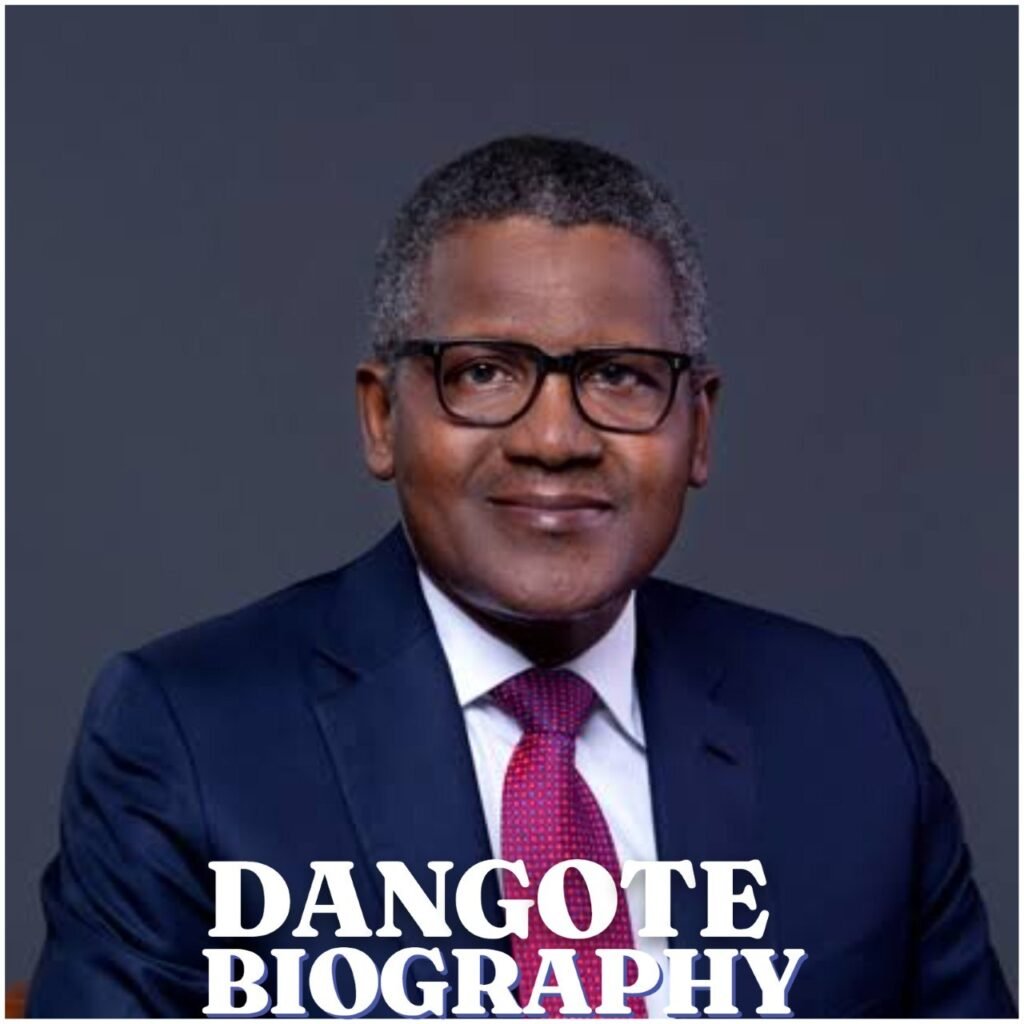

Introduction to Aliko Dangote: Biography, Business Career, Net Worth and Latest News
Aliko Dangote is a Nigerian billionaire businessman, industrialist, and philanthropist widely recognised as one of Africa’s most influential entrepreneurs. He is the founder and president of the Dangote Group, a diversified business conglomerate with interests in cement manufacturing, sugar refining, salt processing, fertiliser production, and petroleum refining. Through decades of business development and strategic investments, Dangote has built a reputation as a major force in Africa’s industrial sector. His business activities have contributed to employment, manufacturing capacity, and infrastructure development in Nigeria and other African countries, making him a prominent figure in discussions about entrepreneurship, economic growth, and industrialisation across the continent.
Born on April 10, 1957, in Kano, Nigeria, Aliko Dangote developed an interest in business from an early age. He began his entrepreneurial journey by trading commodities before expanding into manufacturing and large-scale industrial operations. His determination to build businesses capable of meeting local demand helped transform the Dangote Group into one of Africa’s most recognisable industrial enterprises. Over the years, his investments in cement, food processing, fertiliser, and energy have strengthened his position in the business world. One of his most ambitious projects is the Dangote Petroleum Refinery in Lekki, Lagos State, which was developed to increase Nigeria’s domestic refining capacity, reduce dependence on imported petroleum products, and create opportunities for the country to become a significant supplier of refined fuels to other markets.
In recent developments, Aliko Dangote has continued to attract international attention through the performance of his petroleum refinery, plans to broaden investor participation, and ambitions to expand his industrial footprint across Africa. News reported on October 14, 2026, highlighted the refinery’s reported financial performance, the extension of its share offering deadline, and ongoing legal disputes concerning petroleum imports in Nigeria. His proposed investment in a major refinery project in Kenya has also drawn attention to his broader continental ambitions. Beyond his business achievements, Dangote is known for philanthropic activities through the Aliko Dangote Foundation, which supports initiatives in health, education, nutrition, and humanitarian assistance. His career offers insight into the opportunities and challenges involved in building large-scale businesses in emerging markets, while his continuing investments make him an important subject in African business news.
Early Life of Aliko Dangote
Aliko Dangote was born on April 10, 1957, in Kano, a major commercial city in northern Nigeria. He was born into a prominent and financially established family with a background in business and commerce. His maternal grandfather, Sanusi Dantata, was a successful businessman who traded commodities and became one of the respected commercial figures in Kano. Growing up in an environment where trade, investment, and entrepreneurship were familiar activities helped shape Dangote’s early understanding of business. From a young age, he developed an interest in buying and selling goods, and his experiences within his family exposed him to the importance of financial discipline, customer relationships, and identifying opportunities in the marketplace. These early influences would later become important foundations for his entrepreneurial journey.
During his childhood, Dangote reportedly showed an unusual enthusiasm for business and making money through small commercial activities. Stories about his early years often describe how he bought sweets and sold them to other children, demonstrating an interest in trading even before he entered formal business. Although such childhood activities were modest compared with the industrial empire he would eventually build, they reflected his curiosity about commerce and the process of generating profit. His upbringing in Kano also placed him within a thriving trading environment, where merchants exchanged goods and maintained commercial connections across different parts of Nigeria and beyond. The city’s long-established trading culture provided a useful backdrop for understanding the movement of commodities, the importance of supply and demand, and the role of business networks in economic development.
As Dangote grew older, his interest in business developed into a clear ambition to establish an independent commercial enterprise. Rather than limiting himself to the advantages associated with his family background, he sought to build a business that could grow through investment, expansion, and the development of local industries. His early experiences encouraged him to recognise the opportunities available in supplying essential goods to Nigeria’s growing population. After completing his education, he began his commercial career with financial support from his family and started trading commodities such as sugar, rice, and cement. These early activities helped him gain practical experience in sourcing products, managing transactions, and understanding market demand. The lessons he learned during this period laid the groundwork for his later transition from commodity trading into large-scale manufacturing, ultimately setting him on the path to becoming one of Africa’s most prominent industrialists.
Education of Aliko Dangote
Aliko Dangote began his education in Nigeria, where he attended school during his early years in Kano. Growing up in a family with a strong business background, he was exposed to commercial activities from childhood, but his formal education also played an important role in shaping his approach to entrepreneurship. His schooling provided him with foundational knowledge and helped develop the discipline and practical understanding he would later apply to business management. Although Dangote became internationally famous for his industrial investments and financial success, his early education formed part of the foundation for his journey from a young aspiring entrepreneur to one of Africa’s most recognised business leaders.
For his higher education, Dangote attended Al-Azhar University in Cairo, Egypt, where he studied business-related subjects. His university experience gave him an opportunity to broaden his understanding of commerce, management, and economic activity beyond the Nigerian environment in which he had grown up. Studying in Egypt also exposed him to a different commercial and cultural setting, helping him appreciate the wider regional connections that influence trade and business. His academic background complemented the practical lessons he had acquired from observing business activities within his family. This combination of formal education and commercial exposure helped prepare him for the responsibilities involved in establishing and managing a growing enterprise.
Although Dangote’s educational background contributed to his development, his business achievements have also been shaped by years of practical experience, strategic decision-making, and continuous investment in industrial capacity. After completing his studies, he returned to Nigeria and began trading commodities, including rice, sugar, and cement, before gradually expanding into manufacturing and other industries. Over time, he developed the Dangote Group into a major African conglomerate with operations across several sectors. His career demonstrates how formal education can complement hands-on commercial experience, particularly when combined with a willingness to learn from changing markets and invest in long-term opportunities. Rather than relying exclusively on academic qualifications, Dangote built his business reputation through expansion, industrial development, and a sustained focus on meeting demand for essential products in Nigeria and other African markets.
Career of Aliko Dangote: From Commodity Trading to African Industrial Leadership
Early Business Career and the Establishment of Dangote Group
Aliko Dangote began his professional business career in 1977 after completing his studies in Egypt and returning to Nigeria. With financial support from his family, he started a small trading business focused on essential commodities, including rice, sugar, cement, and other consumer goods. At the time, Nigeria had a growing population and a strong demand for imported products, creating opportunities for traders who could establish reliable supply networks. Dangote gradually developed his business skills by sourcing products, negotiating with suppliers, managing distribution, and building relationships with customers. His ability to identify commercial opportunities and reinvest earnings helped him expand his operations beyond the limits of a small trading enterprise.
The business eventually developed into the Dangote Group, a diversified conglomerate with interests in manufacturing, agriculture, food processing, energy, and infrastructure. Rather than remaining dependent on importing and reselling goods, Dangote increasingly focused on producing essential products locally. This strategy was designed to serve Nigeria’s domestic market while creating opportunities for industrial development across Africa. Over the years, the group expanded its operations, established manufacturing facilities, and strengthened its distribution networks. Its growth reflects Dangote’s long-term approach to business, which has centred on building large-scale production capacity, reducing dependence on imported goods, and establishing a strong presence in industries that supply everyday necessities.
Expansion into Cement Manufacturing
One of the most important stages in Dangote’s career was his entry into cement manufacturing. Cement is a critical material for housing, roads, bridges, factories, and other infrastructure projects, making it an important sector in Nigeria’s developing economy. Through Dangote Cement, he invested in production facilities, distribution systems, and industrial infrastructure intended to meet the country’s substantial demand for the building material. The company grew into one of Africa’s major cement producers, with operations extending beyond Nigeria into other African markets. Its development established Dangote as an industrialist whose influence reached beyond commodity trading into the manufacturing sector.
Dangote Cement became a central part of his business empire and a significant contributor to the group’s commercial activities. Investment in local production helped increase the availability of cement in Nigeria and supported the wider construction industry. The company’s expansion also created employment opportunities in manufacturing, transportation, sales, and related services. However, operating across multiple markets has required the business to navigate changing economic conditions, energy costs, exchange-rate movements, infrastructure constraints, and competition. Despite these challenges, cement has remained one of the most recognisable pillars of Dangote’s business interests and an important element of his rise to prominence among African entrepreneurs.
Growth in Sugar, Salt and Food Processing
In addition to cement, Dangote expanded into the production and processing of essential food products. Through businesses associated with sugar refining, salt processing, and other consumer goods, the Dangote Group sought to serve the everyday needs of Nigeria’s large domestic market. These industries offered opportunities to replace some imported products with locally processed alternatives, support agricultural supply chains, and develop manufacturing expertise. Sugar refining, in particular, became an important component of the group’s industrial strategy, connecting imported raw materials and local agricultural ambitions with large-scale processing and distribution.
The group’s food-related businesses also strengthened its position in sectors where demand remains closely connected to population growth and household consumption. By investing in processing facilities and distribution networks, Dangote sought to make essential products available to retailers, wholesalers, manufacturers, and consumers. These activities contributed to the diversification of the conglomerate and reduced its dependence on any single industry. At the same time, food processing has faced challenges involving foreign-exchange availability, production costs, access to raw materials, and the development of reliable local agricultural supplies. Dangote’s continued interest in these sectors demonstrates his broader strategy of building businesses around products that have consistent demand across Nigeria and other African economies.
Entry into Fertiliser Production and Agriculture
Another significant milestone in Aliko Dangote’s career was his expansion into fertiliser production. Through Dangote Fertiliser, he invested in large-scale manufacturing to support agricultural productivity and reduce Nigeria’s dependence on imported fertiliser. The company’s fertiliser complex in the Lekki Free Zone was developed to supply farmers and agricultural businesses in Nigeria and international markets. Fertiliser is essential for improving soil productivity and supporting food production, making the sector an important part of Dangote’s wider industrial strategy. By investing in this industry, he extended his business interests into an area closely connected to food security, agriculture, and economic development.
The fertiliser business also created opportunities for Nigeria to participate more actively in international agricultural supply chains. Dangote’s investments in production infrastructure and export capacity reflect his broader objective of building industries that can serve domestic demand while generating revenue through international trade. However, the sector remains affected by energy costs, agricultural market conditions, transportation expenses, and fluctuations in global commodity prices. Through fertiliser manufacturing, Dangote has continued to diversify his business portfolio and strengthen his position in industries that supply essential materials to households, farmers, and manufacturers.
### The Dangote Petroleum Refinery and Entry into the Oil Industry
One of the most ambitious projects of Dangote’s career is the Dangote Petroleum Refinery and Petrochemicals complex in Lekki, Lagos State. Built at a reported cost of approximately $20 billion, the refinery was developed to expand Nigeria’s domestic petroleum-processing capacity and reduce the country’s dependence on imported refined fuels. Its initial capacity is approximately 650,000 barrels per day, with the company reporting a current capacity of 700,000 barrels per day and plans for further expansion. The facility produces petroleum products and petrochemicals for Nigerian consumers, businesses, and export markets. Its development represents a major investment in Nigeria’s energy infrastructure and one of the most significant industrial undertakings of Dangote’s career.
The refinery began operations in 2024 and has since become central to discussions about Nigeria’s energy security, domestic manufacturing, and fuel-import dependence. Its operations have created opportunities in refining, logistics, storage, transportation, and related industries. At the same time, the project has attracted debate over fuel pricing, market competition, petroleum import licences, and the relationship between large domestic producers and independent marketers. These issues reflect the complexity of transforming a major national energy market. Nevertheless, the refinery has established Dangote as a significant participant in the international petroleum industry, extending his influence beyond cement, food processing, and other traditional manufacturing businesses.
Dangote Refinery’s Financial Performance and 2026 IPO
In October 2026, the Dangote Petroleum Refinery attracted further attention after reporting a substantial financial turnaround. Financial results reported for the first nine months of the year indicated that the refinery recorded approximately $22.48 billion in revenue and $4.73 billion in net profit, compared with a loss during the corresponding period in 2025. The reported performance reflected increased refining activity, stronger demand for petroleum products, and favourable conditions in international fuel markets. These results have strengthened the refinery’s position as it pursues a public share offering intended to broaden ownership and provide investors with an opportunity to participate in the business.
The refinery’s initial public offering, or IPO, is another important development in Dangote’s business career. The offer was extended to October 27, 2026, to allow more time for prospective investors to complete the application process and to encourage broader participation. The offering is intended to open the refinery to a wider group of shareholders while supporting its longer-term business plans. The Nigerian Securities and Exchange Commission has advised prospective investors to rely on officially approved information and subscription channels. The IPO represents an important stage in the refinery’s development, although the company’s future performance and the value of any shares will depend on market conditions, operating results, and investor sentiment.
Expansion Across Africa and International Business Interests
Throughout his career, Dangote has pursued a strategy of expanding beyond Nigeria into other African markets. The Dangote Group has established a presence in multiple countries, particularly through cement production and distribution, while also developing interests in fertiliser, energy, and other industrial activities. This expansion reflects his belief that African countries can benefit from stronger regional manufacturing networks and greater investment in local production. By establishing facilities closer to customers and developing distribution systems across national borders, the group has sought to increase its reach and become a major supplier of essential products.
Dangote’s international ambitions also include proposed investments in large-scale energy infrastructure outside Nigeria. In 2026, his proposed refinery project in Lamu, Kenya, attracted attention because of its projected investment size and potential role in East African energy supply. The project has also faced legal challenges involving land, environmental issues, and questions about the approval process. Such developments illustrate the opportunities and complexities associated with expanding industrial operations across different countries, each with its own regulatory framework, commercial environment, and community interests.
Through these investments, Dangote has become a prominent participant in discussions about African industrialisation, regional trade, and economic self-sufficiency. His business strategy centres on supplying products that are essential to construction, agriculture, food processing, and energy, while developing production facilities that can serve domestic and export markets. Although his companies face commercial, regulatory, and economic challenges, the scale of his investments has made him an important figure in the continent’s industrial landscape.
Why Aliko Dangote Is Trending Today: October 14, 2026
Aliko Dangote is trending in October 2026 following major developments involving his petroleum refinery, which has reported a significant financial turnaround ahead of its planned initial public offering. According to financial results reported on October 13, 2026, Dangote Petroleum Refinery recorded approximately $22.48 billion in revenue and $4.73 billion in net profit during the first nine months of the year, compared with a loss of $117.2 million during the corresponding period in 2025. The company attributed its improved performance to increased refining activity, better operational reliability, and stronger refining margins. These results have attracted attention from business observers and prospective investors assessing the refinery’s long-term commercial potential.
Another reason Dangote is making headlines is the extension of the refinery’s share offering deadline to October 27, 2026. The share sale is intended to broaden public ownership and provide investors with an opportunity to participate in one of Africa’s largest industrial projects. The offering was initially scheduled to close on October 13, but the deadline was extended to allow more time for eligible investors to complete the necessary procedures. The development has generated discussions about the growth of Nigeria’s capital market, public participation in large businesses, and the challenges of enabling investors across different African countries to purchase shares.
Dangote is also attracting attention because of an ongoing legal dispute concerning petroleum import licences in Nigeria. His refinery has sought permission from the Court of Appeal to challenge a Federal High Court ruling directing the petroleum regulator to continue issuing or renewing licences for three fuel marketers, subject to applicable laws and regulations. The dispute raises broader questions about competition, domestic refining, consumer interests, and Nigeria’s dependence on imported petroleum products. Meanwhile, Dangote’s proposed $16 billion refinery project in Lamu, Kenya, has encountered legal challenges involving land rights and transparency. Together, these developments have placed Dangote at the centre of important discussions about industrial investment, energy security, and economic development in Africa.
Personal Life and Family of Aliko Dangote
Aliko Dangote is a Nigerian businessman who generally keeps his private life away from the public spotlight, despite his international business success and public profile. He was previously married and is divorced, according to publicly available biographical information. Dangote has three daughters: Halima Aliko-Dangote, Fatima Aliko-Dangote, and Mariya Aliko-Dangote. Although he rarely discusses intimate details of his family life, he has spoken publicly about the importance of his daughters and their ability to contribute to the future of his business empire. His personal experiences and family background have remained subjects of public interest because of his position as one of Africa’s most prominent industrialists.
His daughters have developed professional careers and taken on responsibilities within the Dangote Group. Halima Aliko-Dangote has held senior positions in commercial operations and has been involved in managing aspects of the group’s international business interests. Fatima Aliko-Dangote has worked in business strategy and corporate management, including responsibilities connected with the group’s operations and its philanthropic activities. Mariya Aliko-Dangote has also taken on leadership responsibilities within the family business, particularly in commercial operations involving cement and food-related businesses. Their professional involvement reflects the family’s growing role in preparing the next generation to contribute to the group’s future, although the company’s long-term leadership structure will also depend on professional management and corporate governance.
In September 2026, Dangote attracted considerable attention when he stated in an interview with ARISE News that having a son to inherit his business empire was not a priority for him. He expressed confidence in all three of his daughters, saying that one of them could eventually lead the conglomerate and potentially take it to a higher level. His comments brought renewed attention to succession planning, family leadership, and the role of women in African business. Dangote has also emphasised that he wants the group to be professionally managed, with strong governance structures that protect its long-term stability. Although his daughters are important figures in his personal and professional life, he has not publicly confirmed that any one of them will automatically become his successor. His family story therefore combines personal achievement with a broader question about how major family businesses can prepare capable leaders for the future.
Aliko Dangote’s Age, Religion, Nationality, Health and Physical Appearance
Age: Aliko Dangote was born on April 10, 1957, in Kano, Nigeria. As of October 14, 2026, he is 69 years old. Over several decades, he has developed from a commodity trader into one of Africa’s most prominent industrialists. His career has included major investments in cement manufacturing, sugar refining, fertiliser production and petroleum refining. His longevity in business has made him a widely recognised figure in African entrepreneurship and industrial development.
Religion: Aliko Dangote is widely reported to be a Muslim. His religious and cultural background is connected to his upbringing in northern Nigeria, where Islam has a long-established presence. Although he maintains a relatively private personal life, his Muslim identity is commonly mentioned in biographical accounts. His public activities, however, focus primarily on business, industrial development and philanthropy through the Aliko Dangote Foundation, which supports initiatives in areas such as healthcare, nutrition and education.
Nationality: Dangote is Nigerian by nationality and was born in Kano State, Nigeria. He comes from a prominent Hausa family with a longstanding background in commerce and trading. His business activities have expanded well beyond Nigeria, with investments and operations across several African countries. Despite his international business interests, Nigeria remains central to his professional activities, particularly through the Dangote Group and its cement, fertiliser and petroleum-refining operations.
Health and Physical Appearance: Aliko Dangote is a public figure whose professional schedule involves business meetings, industrial inspections, investment discussions and international engagements. There is no reliable basis for making assumptions about his current medical condition, and he has not publicly disclosed comprehensive details of his private health. In terms of physical appearance, he is frequently photographed at corporate events wearing formal business attire, including suits, shirts and ties. He generally presents a conservative and professional appearance that suits his position as a leading industrialist. His public image is primarily associated with his business leadership, rather than his personal style or appearance.
Aliko Dangote’s Age, Religion, Tribe, Height and Physical Appearance
Age: Aliko Dangote was born on April 10, 1957, in Kano, Nigeria. As of October 14, 2026, he is 69 years old. He has spent several decades building his business empire, transforming his early commodity-trading activities into the Dangote Group, a major African conglomerate with interests in cement, sugar, fertiliser and petroleum refining. His career has made him one of the most prominent figures in African business and industrial development.
Religion: Aliko Dangote is a Muslim and comes from a family with an established Islamic background. He was raised in northern Nigeria, where Islam has a long history and significant cultural influence. His religious background is reflected in biographical accounts of his upbringing and education, including his attendance at a traditional Islamic school. Although Dangote generally keeps his private beliefs away from extensive public discussion, his professional activities and philanthropic initiatives have earned him recognition across different religious communities in Nigeria and internationally.
Tribe: Aliko Dangote belongs to the Hausa ethnic group of northern Nigeria. He was born and raised in Kano, a historic commercial centre known for its long-standing traditions of trade, craftsmanship and entrepreneurship. His family has a distinguished background in commerce, particularly through his maternal relatives, the Dantata family. Growing up within this cultural and business environment exposed him to trading practices and commercial relationships that helped shape his entrepreneurial interests. Although his business activities now extend across several countries, his Hausa heritage and Nigerian roots remain important parts of his personal background.
Height and Physical Appearance: Aliko Dangote’s height is commonly reported by biographical websites as approximately 5 feet 6 inches (167 centimetres), although this measurement has not been confirmed in an authoritative official biography. He is frequently seen at business meetings, industrial facilities, international conferences and public events wearing formal suits, traditional Nigerian attire or other conservative business clothing. He typically maintains a neat, professional appearance and is widely recognised by his facial features and public presence. His appearance is familiar to many people who follow African business news, particularly through photographs and interviews related to the Dangote Group and its major industrial projects.
Aliko Dangote’s Social Media Presence
Aliko Dangote maintains a public presence on social media, where business-related news, corporate announcements, philanthropic initiatives, and updates about the Dangote Group attract considerable attention. His publicly identified account on X (formerly Twitter) uses the handle @AlikoDangote. The account is associated with his role as president of the Dangote Group and shares information connected with his business interests and public activities. Readers can visit [Aliko Dangote’s X profile](https://x.com/AlikoDangote) to explore publicly available posts.
Beyond his personal public profile, the Dangote Group communicates with customers, investors, employees, and the wider public through its corporate social media channels. These platforms provide updates about industrial projects, cement manufacturing, petroleum refining, employment opportunities, and community initiatives. The company’s official website, [Dangote Industries Limited](https://www.dangote.com/), is another useful source for corporate announcements and information about its businesses.
Because Aliko Dangote is a prominent businessman, numerous unofficial accounts use his name and photographs on social media. Dangote Industries Limited has warned the public about impersonation and fraudulent schemes involving fake investment offers, employment promises, and requests for money or personal information. Readers should therefore verify accounts through official corporate channels and avoid assuming that an account is genuine simply because it displays his name or photograph.
Aliko Dangote Net Worth in 2026
Aliko Dangote is widely recognised as Africa’s richest person, with his wealth generated through investments in cement manufacturing, petroleum refining, fertiliser production, sugar refining, and other industrial businesses. As of October 2026, Forbes estimates his net worth at approximately $51.7 billion, according to figures reported in connection with its Real-Time Billionaires List. This valuation places him among the world’s wealthiest businesspeople. However, Bloomberg’s Billionaires Index has reported a lower estimate of approximately $35.7 billion, demonstrating how different valuation methods can produce significantly different figures. His net worth should therefore be understood as an estimate rather than a precise measurement of his available cash.
A substantial portion of Dangote’s wealth comes from his ownership interests in Dangote Cement and the wider Dangote Group, including its petroleum refinery and fertiliser operations. The refinery has become an increasingly important part of his business empire, particularly following its reported financial turnaround in 2026. For the first nine months of that year, the refinery recorded approximately $22.48 billion in revenue and $4.73 billion in net profit. These are company financial results, not Dangote’s personal earnings, but they help explain why investors and wealth analysts closely monitor the business. His interests in other industrial operations also contribute to the overall value of his business portfolio.
Dangote’s exact net worth cannot be established with complete certainty because several businesses in his portfolio are privately held, and their valuations can change as new investment information becomes available. His fortune also fluctuates with share prices, business performance, debt, and market conditions. For a biographical article, an estimated net worth of $51.7 billion, as reported by Forbes in October 2026, is a reasonable figure to use, provided the source and date are stated. The lower Bloomberg estimate should also be acknowledged to give readers a balanced understanding of the uncertainty surrounding billionaire wealth calculations. His financial standing reflects decades of investment and expansion rather than a single business venture or one year of corporate profits.
Legacy of Aliko Dangote
Aliko Dangote’s legacy is closely associated with industrialisation, entrepreneurship, and the development of large-scale manufacturing in Africa. From his beginnings as a commodity trader, he built the Dangote Group into a major conglomerate with interests in cement, sugar, fertiliser, food processing, and petroleum refining. His investments have helped expand domestic manufacturing capacity in Nigeria and created employment opportunities across several industries. Through Dangote Cement, he established a strong presence in Africa’s construction sector, supplying materials needed for housing, roads, commercial buildings, and infrastructure projects. His business journey is frequently cited as an example of how long-term investment, market knowledge, and strategic expansion can transform a trading enterprise into a major industrial organisation.
Another important part of Dangote’s legacy is his contribution to Africa’s energy and industrial infrastructure through the Dangote Petroleum Refinery in Lekki, Lagos State. The refinery was established to increase domestic petroleum processing, reduce Nigeria’s dependence on imported refined products, and create opportunities for exporting fuel to international markets. Its scale has attracted global attention and encouraged discussions about energy security, local production, and Africa’s ability to develop major industrial projects. Dangote’s investments in fertiliser manufacturing have also strengthened his influence in a sector connected to agricultural productivity and food security. Although his businesses face challenges involving competition, regulation, operating costs, and market conditions, his industrial projects have become important examples of the opportunities and complexities associated with large-scale private investment in African economies.
Beyond his commercial achievements, Dangote has established a philanthropic legacy through the Aliko Dangote Foundation, which supports initiatives in healthcare, nutrition, education, and humanitarian assistance. The foundation has funded programmes aimed at improving public health, supporting vulnerable communities, and addressing social challenges in Nigeria and other African countries. Dangote’s public statements about succession planning and his confidence in his three daughters, Halima, Fatima, and Mariya, have also contributed to discussions about women’s leadership and the future of family-owned businesses. As his industrial empire continues to evolve, his long-term legacy will depend not only on the wealth he has accumulated but also on the sustainability of his businesses, their impact on local economies, and the effectiveness of the institutions and leadership structures established to carry his work into the future.
Conclusion: Aliko Dangote’s Influence on African Business
Aliko Dangote remains one of Africa’s most influential businessmen, with a remarkable career spanning commodity trading, cement manufacturing, sugar refining, fertiliser production, and petroleum refining. From his early beginnings in Kano, Nigeria, he has built the Dangote Group into a major industrial conglomerate, contributing to manufacturing, employment, and economic development across the continent. His Dangote Petroleum Refinery has further strengthened his position in the global energy industry, while his investments and philanthropic activities continue to attract public attention. As of October 2026, the refinery’s reported financial performance, its planned public share offering, and Dangote’s expansion ambitions remain important developments in his business journey. Although challenges involving market competition, regulation, and international economic conditions persist, his influence on African industry is substantial. Ultimately, Aliko Dangote’s legacy will be shaped by the long-term success of his businesses, their contribution to Africa’s industrial growth, and the social impact of his philanthropic initiatives.
Frequently Asked Questions About Aliko Dangote
1. Who is Aliko Dangote?
Aliko Dangote is a Nigerian billionaire businessman, industrialist, and philanthropist. He is the founder and president of the Dangote Group, a conglomerate with interests in cement, sugar, fertiliser, petroleum refining, and other industries.
2. How old is Aliko Dangote in 2026?
Aliko Dangote was born on April 10, 1957. As of October 14, 2026, he is 69 years old.
3. What is Aliko Dangote’s net worth in 2026?
Forbes estimates Aliko Dangote’s net worth at approximately $51.7 billion, according to figures reported in October 2026. His wealth is primarily associated with his business interests, and estimates vary between financial publications because of differences in valuation methods and market conditions.
4. Where is Aliko Dangote from?
Aliko Dangote is from Kano, Nigeria. He was born and raised in northern Nigeria and belongs to the Hausa ethnic group.
5. What religion does Aliko Dangote practise?
Aliko Dangote is a Muslim. His religious background is associated with his upbringing and family traditions in northern Nigeria.
6. Who is Aliko Dangote’s wife?
Aliko Dangote has been married in the past and is publicly reported to be divorced. He generally keeps details of his private relationships away from public attention.
7. How many children does Aliko Dangote have?
Aliko Dangote has three daughters: Halima Aliko-Dangote, Fatima Aliko-Dangote, and Mariya Aliko-Dangote. They have pursued professional careers, including roles connected with the family’s business interests.
8. What companies does Aliko Dangote own?
Aliko Dangote is the leading figure behind the Dangote Group, which has interests in Dangote Cement, Dangote Sugar Refinery, Dangote Fertiliser, and Dangote Petroleum Refinery, among other businesses.
9. What is the capacity of the Dangote Petroleum Refinery?
The refinery in Lekki, Lagos State, was initially designed for a capacity of approximately 650,000 barrels of crude oil per day. The company has subsequently reported a capacity of around 700,000 barrels per day as its operations and expansion plans have developed.
10. Why is Aliko Dangote trending in October 2026?
Aliko Dangote is trending because of the refinery’s reported $4.73 billion net profit for the first nine months of 2026, the extension of its share-offering deadline to October 27, 2026, and ongoing legal disputes concerning petroleum import licences in Nigeria.
11. What is Aliko Dangote’s educational background?
Aliko Dangote attended school in Nigeria and studied at Al-Azhar University in Cairo, Egypt, where he pursued business-related studies. He later returned to Nigeria and began his commodity-trading business.
12. Is Aliko Dangote active on social media?
Yes. Aliko Dangote has a public profile on X, formerly Twitter, identified by the handle @AlikoDangote. Readers can visit [his X profile](https://x.com/AlikoDangote) for publicly available posts and business-related updates.
13. What is Aliko Dangote famous for?
Aliko Dangote is famous for building one of Africa’s largest industrial business groups, becoming a leading figure in cement manufacturing, and investing in the Dangote Petroleum Refinery. He is also known for his philanthropic work through the Aliko Dangote Foundation.
Dangote has invested in Nigerian manufacturing, energy, fertiliser production, and food processing. His businesses have created employment opportunities, expanded domestic production capacity, and contributed to industrial development. His philanthropic foundation also supports healthcare, education, nutrition, and humanitarian programmes.
Editorial note: This biography brings together the sections drafted above. Before publishing, verify time-sensitive claims—particularly the October 2026 refinery results, IPO deadline, legal proceedings, and net-worth estimates—against current primary sources. Publicly reported estimates and company financial results can change.