
Introduction to Paul McCartney
Paul McCartney is one of the most influential musicians, singers, songwriters, and composers in modern music history. Born on June 18, 1942, in Liverpool, England, Sir James Paul McCartney rose to international fame as a member of the legendary rock band The Beatles, alongside John Lennon, George Harrison, and Ringo Starr. His exceptional songwriting abilities, distinctive vocal style, and talent for playing multiple musical instruments helped transform popular music during the 1960s. Following the band’s worldwide success, McCartney established an extraordinary solo career, becoming one of the most celebrated and commercially successful artists of all time. His contributions to music have earned him numerous awards and honours, including multiple Grammy Awards and a knighthood from Queen Elizabeth II in 1997.
Throughout his remarkable career, Paul McCartney has demonstrated an unusual ability to adapt to changing musical styles while maintaining his distinctive artistic identity. After the Beatles disbanded in 1970, he continued making music as a solo artist and formed the band Wings with his first wife, Linda McCartney. His solo recordings and work with Wings produced several successful albums and memorable songs, establishing that his achievements extended far beyond his time with the Beatles. McCartney is widely recognised for his versatility, moving between rock, pop, classical music, and experimental recordings. His songwriting partnership with John Lennon remains one of the most celebrated creative collaborations in music history, while his later projects have demonstrated his continuing interest in recording, performing, and exploring new musical ideas.
As of October 2026, Paul McCartney remains a prominent figure in international entertainment, attracting attention for his music, interviews, personal life, and continuing influence on younger generations of musicians. His album *The Boys of Dungeon Lane* and its expanded edition have renewed interest in his recent creative work, while reports about the forthcoming Beatles biographical films have generated further discussion among fans. McCartney has also spoken about artists he admires and his interest in a possible musical collaboration with Bob Dylan, although no such collaboration has been confirmed. Beyond his professional achievements, his marriage to Nancy Shevell and his enduring connection with the Beatles remain important aspects of his public story. His extraordinary journey from a young musician in Liverpool to a globally recognised cultural icon continues to make his biography a compelling account of creativity, perseverance, innovation, and musical legacy.
Paul McCartney’s Early Life and Family Background
Paul McCartney was born James Paul McCartney on June 18, 1942, in Liverpool, England, during the Second World War. He grew up in a working-class family with his parents, James McCartney and Mary Patricia McCartney, and his younger brother, Michael, who later became known as Mike McGear. His father worked as a cotton salesman and was also a talented amateur musician who played the piano and trumpet, while his mother worked as a nurse and midwife. Growing up in a household where music was appreciated helped introduce Paul to the world of melodies and musical performance from an early age. His family’s circumstances, the cultural environment of post-war Liverpool, and the influence of his parents all contributed to shaping his character and artistic interests.
McCartney’s childhood was marked by an important family tragedy when his mother died of breast cancer in October 1956, when he was only 14 years old. Her death deeply affected him and later became a significant part of his personal history, particularly because his friend John Lennon had also experienced the loss of his mother during his youth. Despite this difficult period, McCartney continued developing his interests and talents. His father encouraged music within the family and exposed him to a variety of musical styles, including traditional songs, jazz, and popular music. Paul learned to play the piano and trumpet before becoming particularly interested in the guitar. He initially struggled with left-handed guitar playing but eventually adapted the instrument to suit himself. These early experiences helped him develop the musical confidence and creativity that would later define his career.
Paul McCartney’s journey toward international fame began during his teenage years in Liverpool, when he became increasingly interested in rock and roll, a genre that was gaining popularity among young people in Britain. In 1957, he met John Lennon at a church garden fête in Woolton, Liverpool, where Lennon was performing with his group, the Quarrymen. McCartney impressed Lennon with his musical knowledge, guitar skills, and ability to learn songs by ear. The two teenagers soon began writing songs together, establishing a creative partnership that would become one of the most influential in popular music. George Harrison later joined their musical circle, and after several changes in the group’s name and lineup, the band eventually became known as the Beatles. McCartney’s early life in Liverpool, his family’s musical influence, personal experiences, and friendship with Lennon laid the foundation for his extraordinary journey from a local aspiring musician to one of the world’s most celebrated songwriters.
Paul McCartney’s Education and Academic Background
Paul McCartney received his early education in Liverpool, England, where he attended Stockton Wood Road Primary School before moving to Joseph Williams Junior School. During his childhood, he demonstrated an interest in learning, although music gradually became one of the strongest influences on his life. McCartney later attended the Liverpool Institute High School for Boys, a respected grammar school where he studied alongside other academically inclined students. At school, he developed his communication skills, broadened his understanding of the world, and formed friendships that contributed to his personal development. Although he did not initially pursue music as a formal academic specialisation, his school years provided him with valuable experiences that helped shape his creativity and confidence.
While attending the Liverpool Institute, McCartney continued to develop his musical interests outside the classroom. He learned to play instruments, practised popular songs, and experimented with writing his own compositions. His father, James McCartney, had a background in music and encouraged his son’s interest, giving him an early appreciation of melody, rhythm, and musical arrangement. McCartney was particularly influenced by American rock and roll performers, including Elvis Presley, Little Richard, and Buddy Holly. These artists inspired him to improve his guitar-playing abilities and songwriting techniques. Rather than enrolling in a university or music conservatory, he developed much of his musical knowledge through practical experience, listening, rehearsal, experimentation, and collaboration with other aspiring musicians. His friendship with John Lennon became especially important during this period, as the two began creating songs together while still teenagers.
Paul McCartney did not attend university, choosing instead to pursue a career in music as his involvement with the Beatles grew. His decision to concentrate on songwriting and performance proved transformative, as the group developed from a local Liverpool act into an international phenomenon during the 1960s. Although he did not obtain a university degree, McCartney continued learning throughout his professional life, exploring different musical genres, recording techniques, orchestration, and composition. His later work has included classical compositions, experimental recordings, film music, and collaborations with artists from different musical backgrounds. His educational journey demonstrates that formal schooling was only one part of his development; his practical experiences, curiosity, discipline, and willingness to experiment became essential elements of his success as a musician and songwriter.
Paul McCartney’s Career and Professional Achievements
Early Musical Career and the Formation of The Beatles
Paul McCartney began his professional musical journey during his teenage years in Liverpool, England, when his passion for rock and roll developed into a serious ambition to become a performer and songwriter. In 1957, he met John Lennon at a church garden fête where Lennon was performing with his group, the Quarrymen. McCartney impressed Lennon with his guitar-playing abilities, musical knowledge, and talent for learning songs. He subsequently joined the group, and George Harrison later became part of the developing musical partnership. After several changes in the band’s name and membership, the group eventually became known as The Beatles, with Ringo Starr joining as drummer in 1962. Their early performances in Liverpool and Hamburg helped them develop their stage presence, musical confidence, and distinctive sound before they achieved international recognition.
The Beatles rose to worldwide fame during the early 1960s, becoming one of the most influential bands in the history of popular music. McCartney and Lennon developed an extraordinary songwriting partnership, producing numerous successful songs that helped define the band’s identity. Their work included memorable recordings such as “Yesterday,” “Hey Jude,” “Let It Be,” “Eleanor Rigby,” and “Penny Lane.” McCartney’s melodic instincts, expressive singing, bass-playing abilities, and willingness to experiment contributed significantly to the group’s musical development. As The Beatles progressed, their recordings moved beyond straightforward pop and rock into more elaborate arrangements and innovative studio techniques. Albums such as *Rubber Soul*, *Revolver*, *Sgt. Pepper’s Lonely Hearts Club Band*, and *Abbey Road* demonstrated the band’s creative range and helped influence generations of musicians. McCartney became particularly recognised for combining accessible melodies with sophisticated harmonies and imaginative musical arrangements.
During the second half of the 1960s, The Beatles continued to dominate international music while expanding the possibilities of studio recording and popular songwriting. McCartney played an important role in the creation of ambitious projects, including *Sgt. Pepper’s Lonely Hearts Club Band*, which became a landmark in album-oriented popular music. However, disagreements over business decisions, creative direction, and the group’s future eventually contributed to the band’s separation. In 1970, McCartney released his first solo album, *McCartney*, marking the beginning of a new chapter in his professional life. Although the end of The Beatles was a major turning point, it also gave him the opportunity to explore his individual musical identity. His work with the band had already established him as an internationally respected songwriter, and his subsequent career demonstrated that his creativity extended well beyond the group’s achievements.
Paul McCartney’s Solo Career and the Formation of Wings
After The Beatles separated, McCartney concentrated on establishing himself as an independent artist. His self-titled debut album, *McCartney*, was released in 1970 and featured him performing most of the instruments and vocals himself, with contributions from Linda McCartney. The album included “Maybe I’m Amazed,” a song that became one of his most enduring solo recordings. In 1971, McCartney released *Ram*, an album created with Linda that showcased his interest in melodic pop, rock, and experimental arrangements. He subsequently formed the band Wings with Linda McCartney and guitarist Denny Laine. The group gave him a new musical environment in which to collaborate with other performers, develop a live stage presence, and create songs that differed from his earlier work with The Beatles.
Wings gradually became a successful international band during the 1970s, releasing popular albums and performing before large audiences. Their music included “Band on the Run,” “Live and Let Die,” “Jet,” “Silly Love Songs,” and “Mull of Kintyre.” The album *Band on the Run*, released in 1973, became one of the defining achievements of McCartney’s post-Beatles career, receiving widespread acclaim and commercial success. Wings also undertook extensive tours, helping McCartney reconnect with audiences through live performance after the end of The Beatles. Although the group’s membership changed several times, McCartney remained its central creative figure, contributing songwriting, vocals, bass guitar, and other instrumental performances. The band’s success established that he could lead a commercially successful musical project independently of his former bandmates.
By the end of the 1970s, McCartney had established himself as a major solo artist and bandleader in his own right. Wings demonstrated his ability to move between straightforward rock songs, sentimental ballads, orchestral arrangements, and radio-friendly pop music. After Wings ended in 1981, he continued recording under his own name, exploring different production styles and working with musicians from various backgrounds. His post-Wings career included albums such as *Tug of War*, *Pipes of Peace*, and *Flowers in the Dirt*. During this period, he also collaborated with artists including Stevie Wonder and Michael Jackson. These projects broadened his musical reach and demonstrated his willingness to experiment with different sounds while preserving the melodic qualities that had made his earlier work so popular.
Musical Collaborations and Artistic Development
Throughout the 1980s and subsequent decades, McCartney continued to expand his artistic interests through collaborations, experimental projects, and compositions for different musical settings. His 1982 album *Tug of War* included “Ebony and Ivory,” his duet with Stevie Wonder, which became a major international hit. In 1983, he collaborated with Michael Jackson on “Say Say Say,” another commercially successful recording that introduced his music to a broad audience. McCartney also explored classical composition, producing works such as *Liverpool Oratorio*, which premiered in 1991, and later compositions including *Standing Stone* and *Ecce Cor Meum*. These projects demonstrated that his creative interests extended beyond popular songwriting into orchestral and choral music.
McCartney’s later albums continued to reveal different sides of his musical personality. *Flaming Pie*, released in 1997, received positive reviews and revisited elements of his earlier melodic style, while *Chaos and Creation in the Backyard* in 2005 showcased a more reflective approach to songwriting and production. He also collaborated with contemporary musicians and producers, including Kanye West, Rihanna, and producer Andrew Watt. His willingness to work with artists from different generations helped introduce his music to new listeners while allowing him to explore modern production techniques. At the same time, McCartney continued to revisit his musical history through archival releases, documentaries, live recordings, and projects celebrating The Beatles and Wings.
Live performance has remained another important part of McCartney’s career. His concerts typically bring together Beatles classics, Wings favourites, and songs from his solo catalogue, allowing audiences to experience the breadth of his musical journey. His performances have attracted fans across multiple generations, and his reputation as a live entertainer has remained closely connected to his ability to combine energetic rock songs with emotional ballads and familiar melodies. In addition to performing, he has participated in music education, environmental campaigns, and charitable initiatives. His career therefore encompasses not only recording and touring but also a wider commitment to musical creativity, cultural exchange, and public engagement.
Paul McCartney’s Career in 2026: The Boys of Dungeon Lane
In 2026, McCartney continued to release new music with *The Boys of Dungeon Lane*, an album that explores his childhood, family memories, early friendships, and formative experiences in Liverpool. Released on May 29, 2026, the album marked his first new solo studio album in more than five years. Its songs offer a reflective perspective on the experiences that shaped his life before The Beatles became internationally famous. Rather than relying entirely on nostalgia, the project combines personal storytelling with melodic pop, rock influences, intimate arrangements, and newly written love songs. The album reached number one on the UK Albums Chart in June 2026, extending McCartney’s remarkable record of chart-topping albums across his career.
The album’s expanded edition became another major development in McCartney’s 2026 career. Announced in October, *The Boys of Dungeon Lane (Special Edition)* includes three previously unreleased songs—”City Fox,” “One Night Stand,” and “Chelsea Boots”—alongside a new version of “Home to Us,” his duet with Ringo Starr. The special edition became available digitally on October 7, while physical two-LP editions are scheduled for December 9, 2026. The project highlights the continuing musical connection between the two surviving Beatles and gives listeners additional material from McCartney’s recent recording sessions. It also demonstrates his interest in revisiting and expanding a project after its initial release rather than treating an album as a finished chapter.
McCartney’s recent interviews have also kept him in the public conversation. In October 2026, he spoke about his admiration for Bob Dylan and said that he would like to collaborate with him, although he feels hesitant about making the first approach. He has also discussed the forthcoming Beatles biographical films and his interest in how the band members are represented on screen. These conversations have renewed attention to his relationships with fellow musicians and the continuing influence of The Beatles on popular culture. Although a new collaboration with Dylan has not been confirmed, McCartney’s comments illustrate that he remains curious about other artists and interested in creative possibilities even after decades at the highest level of the music industry.
Awards, Achievements and Influence on the Music Industry
Paul McCartney’s professional achievements have earned him recognition across the music industry and beyond. His work with The Beatles and as a solo artist has received numerous awards, including multiple Grammy Awards. In 1997, he was knighted by Queen Elizabeth II for his services to music, receiving the title Sir Paul McCartney. He has also been recognised for his contributions to songwriting, recording, and live performance, while his compositions have been performed and covered by artists around the world. His career spans several decades of changes in musical technology, recording practices, and popular culture, yet he has continued to release work that attracts international attention.
One of McCartney’s most important achievements is his contribution to songwriting. His partnership with John Lennon produced a substantial catalogue of songs that remain central to the history of popular music. McCartney is particularly known for his gift for melody, his ability to write memorable choruses, and his skill in combining different musical traditions. His work has influenced artists in rock, pop, classical music, and other genres, while his approach to songwriting continues to be studied and discussed by musicians and music historians. Beyond the songs themselves, his willingness to experiment with recording techniques and musical arrangements helped demonstrate that popular albums could function as cohesive artistic statements rather than simply collections of singles.
McCartney’s influence also extends to his longevity as a performer and recording artist. Few musicians have maintained a career across so many decades while continuing to attract interest in both their historic recordings and new releases. His solo work, his achievements with Wings, and his role in The Beatles form a musical catalogue that reaches audiences of different ages and backgrounds. Through his recordings, performances, collaborations, and public activities, McCartney has helped shape the sound and direction of modern popular music. His continuing creative work in 2026 reinforces his position as a significant figure in music history, with a career that remains active rather than confined to his past achievements.
Paul McCartney Trending News Today: October 14, 2026
Paul McCartney Raises Concerns About His Portrayal in the Upcoming Beatles Biopics
Paul McCartney is trending on October 14, 2026, following reports about his concerns over how he and his former Beatles bandmates are portrayed in the upcoming biographical films directed by Sam Mendes. The four-film project, titled *The Beatles – A Four-Film Cinematic Event*, is scheduled for release in April 2028, with each film focusing on one member of the legendary British band. McCartney’s comments have attracted considerable attention because they reveal his desire for historical accuracy in a production that will introduce the Beatles’ story to a new generation of moviegoers.
According to reports published today, McCartney contacted director Sam Mendes after seeing an image recreating the Beatles’ famous Abbey Road album-cover crossing. He noticed that actor Paul Mescal, who plays McCartney, appeared shorter than Harris Dickinson, who portrays John Lennon. McCartney explained that he remembered himself, Lennon, and George Harrison as being approximately the same height, with Ringo Starr being somewhat shorter. Mendes reportedly explained that the apparent difference in the image was caused by the actors’ walking strides, and a subsequent version addressed the issue.
The discussion has also revived memories of McCartney’s earlier concerns about his portrayal in the 2009 film *Nowhere Boy*, which focused on Lennon’s early life. McCartney recalled feeling that the film made him appear smaller and weaker than Lennon, an impression he considered historically inaccurate. His latest comments have therefore sparked wider conversations about how filmmakers balance dramatic storytelling with the real-life details of famous musicians. With anticipation building for the 2028 Beatles films, McCartney’s involvement and feedback remain significant talking points among fans and entertainment observers.
Paul McCartney Hopes to Collaborate With Bob Dylan
McCartney is also attracting attention after revealing that Bob Dylan is the musician he would most like to collaborate with, although he feels too nervous to contact him directly. During his appearance on Amy Poehler’s *Good Hang* podcast, McCartney expressed admiration for Dylan’s songwriting and influence. Despite their long histories in music and having met several times over the decades, the two artists have never released a major collaborative project together. McCartney’s remarks have generated excitement among fans, although no collaboration has been officially announced.
Paul McCartney Shares His Opinion on Modern Pop Music
McCartney has also attracted attention for his comments about contemporary popular music. During his conversation with Amy Poehler, he explained that many modern pop songs do not appeal to his personal songwriting tastes. He described some current popular music as “very banal,” according to reporting published on October 14. He also joked about the dance routines that sometimes accompany songs on social media platforms.
Despite his reservations, McCartney expressed appreciation for artists such as Billie Eilish. He also revealed that he once wished he had written Billy Joel’s classic song “Just the Way You Are.” His comments offer a glimpse into how a songwriter with decades of experience views changing musical trends. They reflect his personal preferences rather than a judgment on every contemporary artist or genre.
Paul McCartney and Nancy Shevell Celebrate Their Wedding Anniversary
McCartney and his wife, Nancy Shevell, recently marked their 15th wedding anniversary. The couple married on October 9, 2011, in London. Reports published earlier this week said McCartney commemorated the occasion on Instagram with a photograph of the couple on a boat ride, accompanied by a playful reference to their anniversary.
The couple first met in the Hamptons in 2007 and have generally maintained a relatively private relationship. Their anniversary has attracted renewed public interest in McCartney’s life away from music, especially as he continues to balance family life with recording and other creative projects.
Latest Official Updates and Upcoming Releases
McCartney’s official website continues to publish announcements about his recordings, music projects and archival material. Its October updates have focused on the special edition of *The Boys of Dungeon Lane*, alongside interviews and features exploring the stories behind his songs. Fans can follow verified announcements, new music and tour information through his official website at [Paul McCartney Official News](https://www.paulmccartney.com/news/all).
There is no confirmed new Bob Dylan collaboration or newly announced concert date established by the reports covered here. Those developments should not be treated as confirmed projects unless McCartney or his representatives announce them.
Paul McCartney’s Personal Life and Family
Paul McCartney’s personal life has been shaped by his long career in music, his relationships, and his dedication to his family. He is currently married to American businesswoman Nancy Shevell, whom he married on October 9, 2011, at Old Marylebone Town Hall in London. The couple first met in the Hamptons in 2007 and developed a relationship that eventually led to their marriage. In October 2026, they celebrated their 15th wedding anniversary, with McCartney sharing a photograph of the couple on a boat ride to mark the occasion. He has spoken warmly about their relationship, describing everyday activities such as cooking, sharing meals, talking, and relaxing together as important parts of their life. McCartney’s song “Ripples in the Pond,” released on his 2026 album *The Boys of Dungeon Lane*, was inspired by his feelings for Nancy, reflecting the personal experiences that continue to influence his songwriting.
Before marrying Nancy Shevell, McCartney was married to Linda McCartney, a photographer, musician, and animal-rights advocate. They married on March 12, 1969, and remained together until Linda’s death from breast cancer on April 17, 1998. Their marriage was an important part of McCartney’s personal and professional life, as Linda frequently collaborated with him musically and became a member of his post-Beatles band, Wings. Together, they raised four children: Heather McCartney, Linda’s daughter from an earlier relationship whom Paul adopted; Mary McCartney, a photographer and filmmaker; Stella McCartney, an internationally recognised fashion designer; and James McCartney, a musician and songwriter. Following Linda’s death, McCartney experienced a difficult period of grief while continuing to care for his family and pursue his musical career. In 2002, he married his second wife, Heather Mills, a former model and campaigner for disability rights. They had one daughter, Beatrice McCartney, born in 2003, but their marriage ended in divorce in 2008. McCartney has five children in total and has frequently expressed how important fatherhood is to him.
Family remains an important part of McCartney’s life despite his international fame and demanding professional schedule. His children have developed careers and interests of their own, with Stella establishing a successful fashion business, Mary pursuing photography and filmmaking, James working in music, and Heather maintaining a comparatively private life. Beatrice has also largely been kept away from the public spotlight. McCartney has explained that his relationship with his children has evolved as they have grown older, with family life becoming more about mutual support, conversation, and enjoying one another’s company. He also maintains a significant personal connection to his late parents, James McCartney and Mary McCartney, whose influence helped shape his childhood and early musical development. Although he generally protects his family’s privacy, his interviews and songwriting occasionally offer glimpses into his relationships and memories. His personal life reflects the importance of love, resilience, parenthood, and companionship alongside his achievements as one of the world’s most celebrated musicians.
Paul McCartney’s Age, Religion, Nationality, Health and Physical Appearance
Age and Date of Birth
Paul McCartney was born on June 18, 1942, in Liverpool, England, making him 84 years old as of October 14, 2026. His birth name is James Paul McCartney, and he is widely recognised as a singer, songwriter, multi-instrumentalist, and former member of The Beatles. Over the course of his life, McCartney has witnessed significant changes in the music industry, from the early days of rock and roll to modern digital music production. His career, which began during his teenage years, has continued across several decades, making him one of the most enduring figures in popular music.
Religion and Religious Background
Paul McCartney was raised in a family with a Roman Catholic background through his mother, Mary Patricia McCartney, and was baptised in the Catholic faith alongside his brother. His father, James McCartney, had a different religious background and was not strongly committed to organised religion. Although McCartney’s childhood included Catholic influences, he has not consistently presented himself as a strictly practising member of a particular religious denomination. His public comments and creative work have reflected a range of personal, philosophical, and spiritual interests. Therefore, it is more accurate to describe his religious background as Catholic rather than make definitive claims about his current private beliefs.
Nationality and Ethnic Background
Paul McCartney is British by nationality and was born in Liverpool, England, in the United Kingdom. He is English and has Irish ancestry through his family, reflecting the Irish heritage of both his parents. His upbringing in Liverpool exposed him to a distinctive cultural environment that helped shape his musical identity and songwriting. As a member of The Beatles, he became an internationally recognised representative of British popular music during the 1960s, contributing to the worldwide popularity of British rock. His knighthood in 1997 further recognised his contributions to music and British cultural life.
Health and Well-Being
Paul McCartney has maintained a long professional career that includes recording albums, performing live, travelling internationally, and participating in creative projects. As he is now in his eighties, questions about his health naturally attract public interest. However, it is important to distinguish verified information from speculation: there is no basis here for making a comprehensive assessment of his current medical condition. McCartney has continued to participate in interviews and music-related activities, including promoting his 2026 album, *The Boys of Dungeon Lane*. His continued public engagement demonstrates that he remains professionally active, although it should not be taken as a substitute for verified medical information.
Physical Appearance and Height
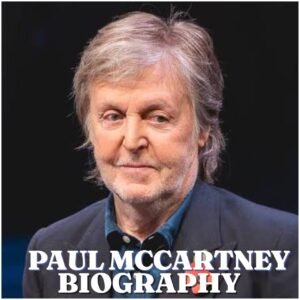
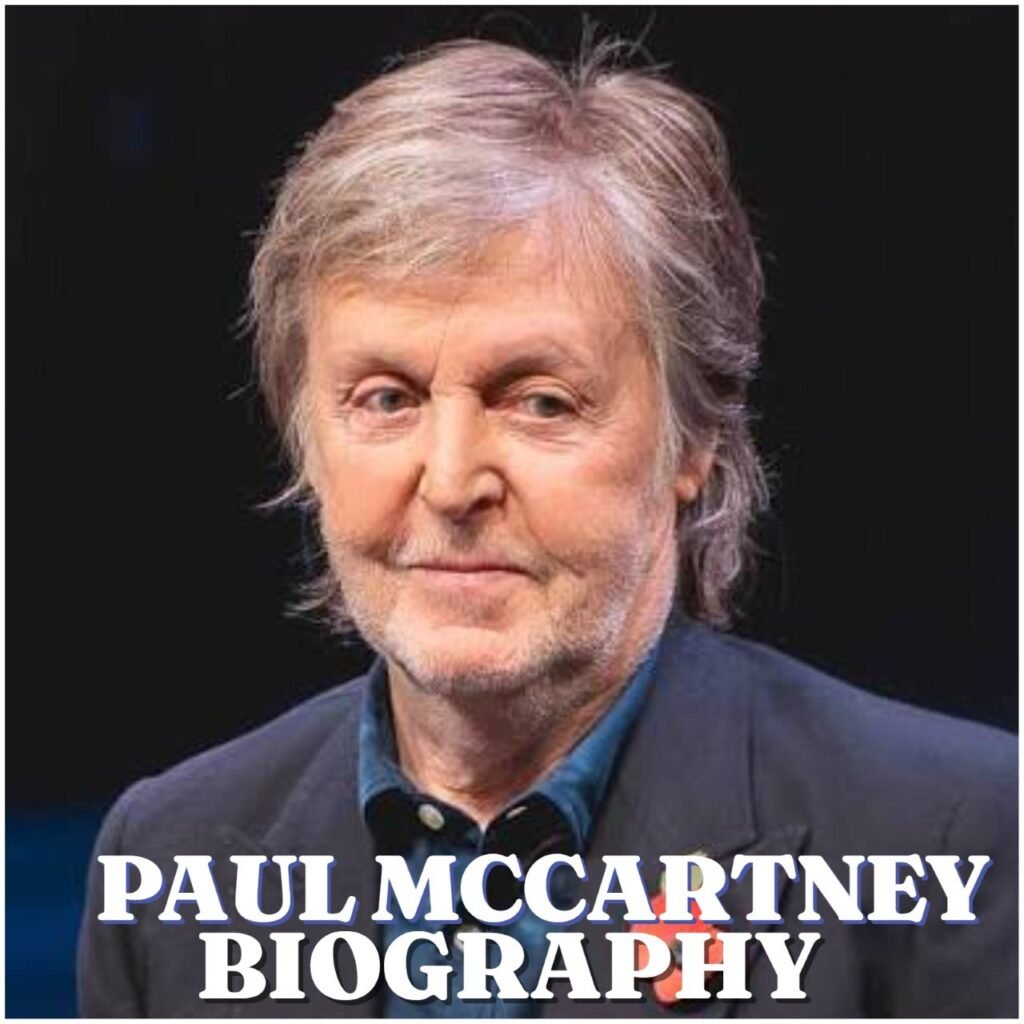
Paul McCartney is recognised for his familiar appearance, expressive face, distinctive singing voice, and energetic stage presence. In his younger years, he was known for his dark hair, clean-cut style, and fashionable appearance during the height of Beatlemania. As his career developed, his appearance changed naturally with age, while his public image continued to reflect his identity as a musician and performer. He has appeared in numerous concerts, interviews, documentaries, and public events throughout his career.
McCartney’s height is generally reported to be approximately 5 feet 11 inches (180 centimetres), although published measurements can vary. In October 2026, his height became a topic of discussion after reports that he had raised concerns about his portrayal in the upcoming Beatles biographical films. He reportedly wanted the filmmakers to represent the relative heights of the Beatles accurately, recalling that he, John Lennon, and George Harrison were approximately the same height, while Ringo Starr was somewhat shorter. His comments highlighted his interest in ensuring that the group’s real-life characteristics are represented faithfully on screen.
Overall, Paul McCartney’s age, British nationality, Catholic upbringing, and recognisable appearance form part of the public biography of a musician whose career has spanned generations. While his early life and professional achievements are well documented, details about his present health and private religious beliefs should be treated carefully and based on reliable public information rather than assumptions. His continuing musical activities and lasting cultural influence remain central to his public identity.
Paul McCartney’s Age, Religion, Tribe, Height and Physical Appearance
Age
Paul McCartney was born on June 18, 1942, in Liverpool, England, and is 84 years old as of October 14, 2026. His birth name is James Paul McCartney, and he became internationally famous as a singer, songwriter, and multi-instrumentalist with The Beatles. Despite being in his eighties, McCartney’s influence on popular music remains significant, with his extensive catalogue continuing to attract listeners across generations. His career has included groundbreaking work with The Beatles, successful solo recordings, his band Wings, and numerous collaborations with other musicians. His longevity in the entertainment industry reflects decades of musical creativity, professional experience, and dedication to songwriting and performance.
Religion
Paul McCartney was raised in a family with Roman Catholic influences and was baptised into the Catholic faith during childhood. His mother, Mary Patricia McCartney, came from a Catholic background, while his father, James McCartney, had a different religious background and was less closely associated with organised religion. Although Catholicism formed part of his early upbringing, McCartney has explored different philosophical and spiritual ideas throughout his life. He has not consistently identified himself publicly as a strictly practising member of a particular religious denomination, so his current personal beliefs should not be assumed solely from his childhood. His public identity is primarily associated with music, songwriting, philanthropy, and cultural influence rather than religious leadership.
Tribe and Ethnic Background
Paul McCartney is English and British, with family roots connected to Liverpool and Irish ancestry through his parents. In this context, the term *tribe* is not generally used to describe his background because British society typically identifies people through nationality, ethnicity, and family heritage rather than tribal affiliation. McCartney grew up in Liverpool, a city with a rich cultural history and a population shaped by generations of migration and cultural exchange. His family’s Irish heritage forms part of his ancestral background, while his English upbringing strongly influenced his identity and musical development. His experiences in Liverpool also contributed to the distinctive cultural environment from which The Beatles emerged and became one of the world’s most successful musical groups.
Height
Paul McCartney’s height is commonly reported to be approximately 5 feet 11 inches (180 centimetres), although measurements reported by different sources may vary slightly. His height became a subject of discussion in October 2026 following reports concerning the upcoming Beatles biographical films directed by Sam Mendes. McCartney reportedly expressed concern about an image recreating the famous Abbey Road crossing because the actor portraying him, Paul Mescal, appeared shorter than the actor playing John Lennon. The discussion highlighted McCartney’s interest in ensuring that the physical characteristics and historical relationships of the Beatles are represented accurately in the films. Beyond such occasional public discussions, his height is a minor detail in a career defined by his musical accomplishments.
Physical Appearance
Paul McCartney has undergone the natural physical changes associated with ageing while remaining one of the most recognisable figures in popular music. During the early years of The Beatles, he was known for his dark hair, youthful appearance, clean-cut style, and fashionable clothing, which helped define the band’s visual identity during the 1960s. His expressive eyes, familiar smile, and distinctive stage presence became widely recognisable as Beatlemania spread internationally. As his career progressed, his hairstyle and clothing evolved alongside changing fashion trends, reflecting his development from a young pop star into an established musician.
In later decades, McCartney became known for his mature appearance, often wearing casual clothing, jackets, and other understated outfits during interviews and public appearances. His image has remained closely connected to his identity as a songwriter and performer rather than to any particular fashion trend. Photographs and concert appearances document the changes in his appearance over more than six decades in the public eye. Although his physical appearance has naturally changed with age, his recognisable features and enduring presence continue to connect him with audiences around the world. His public image remains an important part of the cultural history of The Beatles and his continuing solo career.
Paul McCartney’s Social Media Presence and Official Accounts
Paul McCartney maintains an active social media presence, using digital platforms to connect with fans, promote his music, share career announcements, and celebrate important moments from his remarkable musical journey. His official social media accounts use the handle **@paulmccartney**, making it easier for fans to find his verified profiles and distinguish them from impersonation accounts. On Instagram, he shares photographs, music-related updates, promotional videos, and announcements about his latest projects. His social media presence also allows fans to revisit highlights from his years with The Beatles, his work with Wings, and his continuing solo career.
McCartney is also present on Facebook, X (formerly Twitter), TikTok, Threads, and YouTube. His official TikTok account, **@paulmccartney**, has been used to promote new music and engage with younger audiences. In May 2026, TikTok announced a special live question-and-answer event with McCartney to celebrate his album *The Boys of Dungeon Lane*, giving fans an opportunity to hear him discuss his songwriting and the inspiration behind the record. His YouTube channel also provides access to official music videos, trailers, and other music-related content.
Fans can follow Paul McCartney through his official accounts:
– **Instagram:** [@paulmccartney](https://www.instagram.com/paulmccartney/)
– **Facebook:** [Paul McCartney Official](https://www.facebook.com/PaulMcCartney/)
– **X (Twitter):** [@PaulMcCartney](https://twitter.com/PaulMcCartney)
– **TikTok:** [@paulmccartney](https://www.tiktok.com/@paulmccartney/)
– **YouTube:** [Paul McCartney Official Channel](https://www.youtube.com/@PaulMcCartney)
– **Threads:** [@paulmccartney](https://www.threads.net/@paulmccartney/)
His official website, [paulmccartney.com](https://www.paulmccartney.com/), also provides news about new releases, music projects, and other announcements. McCartney’s management warns fans to look for verified accounts using the correct handle because impersonators sometimes use similar names. Overall, his social media presence helps him maintain a connection with longtime Beatles fans while introducing his music and creative work to younger generations.
Paul McCartney Net Worth in 2026
Paul McCartney’s estimated net worth in 2026 is approximately **$1.2 billion**, according to Celebrity Net Worth, which updated its estimate on October 13, 2026. This valuation places him among the wealthiest musicians in the world and reflects his extraordinary success as a member of The Beatles, a solo artist, and the founder of Wings. However, this figure is an estimate rather than a verified financial statement, and other publications report different valuations depending on their methods and the assets included. The Sunday Times Rich List has also published estimates of McCartney’s wealth alongside that of his wife, Nancy Shevell, so individual and combined household figures should not be treated as interchangeable.
A substantial part of McCartney’s fortune comes from songwriting royalties, music publishing, recording rights, album sales, streaming revenue, and licensing agreements. His extensive catalogue includes internationally recognised songs created with John Lennon and other Beatles members, as well as successful recordings from his solo career and his years with Wings. His music continues to generate revenue through radio broadcasts, streaming platforms, film and television placements, and other commercial uses. Touring has also contributed significantly to his earnings, with his concerts attracting audiences across multiple generations. His continued musical activity, including his 2026 album *The Boys of Dungeon Lane*, demonstrates how a long-established recording catalogue can coexist with new creative projects to support an artist’s financial success.
Beyond music, McCartney’s long-term financial position is associated with investments, property, and the value of his accumulated professional assets. His decades of international success have allowed him to build substantial wealth while maintaining a continuing presence in the entertainment industry. Nevertheless, the precise value of his individual investments, property holdings, and music rights is not fully disclosed publicly, making it difficult to calculate an exact personal net worth. Based on published estimates available in October 2026, approximately $1.2 billion is a reasonable figure to use for a biographical article, provided it is clearly identified as an estimate rather than a confirmed amount. His financial achievements reflect not only his success as a performer but also the enduring commercial value of his songwriting and musical legacy.
Paul McCartney’s Legacy and Influence on Music
Paul McCartney’s legacy is firmly established as one of the most influential and enduring in the history of popular music. As a member of The Beatles, alongside John Lennon, George Harrison, and Ringo Starr, he helped transform the musical landscape of the 1960s and shape the direction of modern rock and pop music. His songwriting partnership with Lennon produced some of the most celebrated songs of all time, including “Hey Jude,” “Let It Be,” “Yesterday,” and “Eleanor Rigby.” McCartney’s exceptional ability to create memorable melodies, combine different musical styles, and experiment with recording techniques contributed to The Beatles’ artistic development and worldwide success. Their albums, including *Revolver*, *Sgt. Pepper’s Lonely Hearts Club Band*, and *Abbey Road*, continue to influence musicians, producers, and songwriters. Through his work with the band, McCartney helped demonstrate that popular music could be commercially successful while also displaying considerable artistic ambition and emotional depth.
Beyond The Beatles, McCartney established an impressive independent legacy through his solo career and his work with Wings. Songs such as “Maybe I’m Amazed,” “Band on the Run,” “Live and Let Die,” and “Silly Love Songs” demonstrated his ability to continue producing successful music after the band’s separation in 1970. His career has also included classical compositions, experimental recordings, collaborations with younger artists, and performances for audiences across the world. Over the decades, he has received numerous honours, including multiple Grammy Awards and a knighthood in 1997 in recognition of his services to music. His contributions extend beyond recording and performance to charitable activities, environmental advocacy, and support for animal welfare. By continuing to create music and explore new artistic opportunities, McCartney has shown that a successful musical career can evolve across generations without losing its distinctive identity.
In 2026, McCartney’s legacy continues to grow through his recent album, *The Boys of Dungeon Lane*, and renewed public interest in the history of The Beatles. The album revisits memories of his early life in Liverpool and highlights the personal experiences that helped shape his songwriting. His continued interviews, collaborations, and involvement in music-related projects demonstrate that he remains an active creative figure rather than simply a celebrated musician of the past. Meanwhile, the forthcoming Beatles biographical films are expected to introduce the band’s history to new audiences, ensuring that discussions about McCartney’s contributions remain relevant. His influence can be heard in the work of musicians from different genres and generations, while his catalogue continues to reach listeners through recordings, streaming platforms, films, and live performances. Ultimately, Paul McCartney’s legacy rests on his extraordinary songwriting, musical versatility, cultural influence, and lasting ability to connect with audiences around the world.
Conclusion: Paul McCartney’s Life, Career and Lasting Impact
Paul McCartney remains one of the most influential and celebrated musicians in the world, with a remarkable career spanning more than six decades. From his early life in Liverpool and his international success with The Beatles to his achievements with Wings and his enduring solo career, he has made an extraordinary contribution to popular music. His songwriting partnership with John Lennon, memorable recordings, musical experimentation, and numerous awards have secured his place in music history. Beyond his professional achievements, McCartney’s family life, marriage to Nancy Shevell, charitable activities, and continuing creative interests provide further insight into his life beyond the stage. As of October 2026, his recent album, *The Boys of Dungeon Lane*, and his comments about the upcoming Beatles biographical films continue to attract public attention. With an estimated net worth of approximately $1.2 billion and a musical catalogue that continues to reach new generations, McCartney’s story remains an inspiring example of creativity, perseverance, and lasting cultural influence.
Frequently Asked Questions About Paul McCartney
1. Who is Paul McCartney?
Paul McCartney is a British singer, songwriter, and musician best known as a member of The Beatles. He is also a successful solo artist and the founder of the band Wings.
2. How old is Paul McCartney in 2026?
Paul McCartney is 84 years old as of October 14, 2026. He was born on June 18, 1942, in Liverpool, England.
3. What is Paul McCartney’s real name?
Paul McCartney’s full birth name is James Paul McCartney. He is professionally known as Paul McCartney.
4. What is Paul McCartney’s net worth in 2026?
Paul McCartney’s estimated net worth in 2026 is approximately $1.2 billion. His wealth comes primarily from songwriting royalties, music publishing, album sales, streaming revenue, concert tours, and other investments. This figure is an estimate and has not been confirmed through a public personal financial statement.
5. Who is Paul McCartney’s wife?
Paul McCartney is married to Nancy Shevell, an American businesswoman. They married on October 9, 2011, in London and celebrated their 15th wedding anniversary in October 2026.
6. How many children does Paul McCartney have?
Paul McCartney has five children: Heather McCartney, whom he adopted; Mary McCartney; Stella McCartney; James McCartney; and Beatrice McCartney. His children have pursued different interests, including fashion, photography, filmmaking, and music.
7. Was Paul McCartney a member of The Beatles?
Yes. Paul McCartney was a founding member of The Beatles alongside John Lennon, George Harrison, and Ringo Starr. The band became one of the most successful and influential musical groups in history.
8. What are Paul McCartney’s most famous songs?
Some of Paul McCartney’s best-known songs include “Yesterday,” “Hey Jude,” “Let It Be,” “Band on the Run,” “Maybe I’m Amazed,” and “Live and Let Die.” These recordings represent his work with The Beatles, Wings, and his solo career.
9. What is Paul McCartney’s latest album in 2026?
Paul McCartney’s 2026 album is *The Boys of Dungeon Lane*, released on May 29, 2026. The album explores memories of his early life, family, friendships, and musical beginnings in Liverpool. An expanded special edition featuring additional recordings was announced in October 2026.
10. How tall is Paul McCartney?
Paul McCartney’s height is commonly reported to be approximately 5 feet 11 inches (180 centimetres), although published measurements can vary.
11. What is Paul McCartney’s nationality?
Paul McCartney is British by nationality and English by national and cultural background. He was born and raised in Liverpool, England, and has Irish ancestry through his family.
12. Is Paul McCartney still alive in 2026?
Yes. As of October 14, 2026, Paul McCartney is alive and continues to be active in music and public life. His recent projects include his album *The Boys of Dungeon Lane* and interviews about his musical career.
13. Does Paul McCartney have social media accounts?
Yes. Paul McCartney has official social media accounts on Instagram, Facebook, X, TikTok, and YouTube. His Instagram handle is **@paulmccartney**, where fans can find music announcements, photographs, and updates about his projects.
14. Does Paul McCartney want to collaborate with Bob Dylan?
In an interview reported in October 2026, McCartney expressed interest in collaborating with Bob Dylan but said he felt hesitant about contacting him. No new collaboration between the two musicians has been officially confirmed.
15. What is Paul McCartney’s legacy in music?
Paul McCartney’s legacy includes his influential songwriting partnership with John Lennon, his contributions to The Beatles, his successful career with Wings, and his achievements as a solo artist. His music has influenced generations of musicians, and his continued creative work has helped maintain his position as one of the most important figures in popular music history.