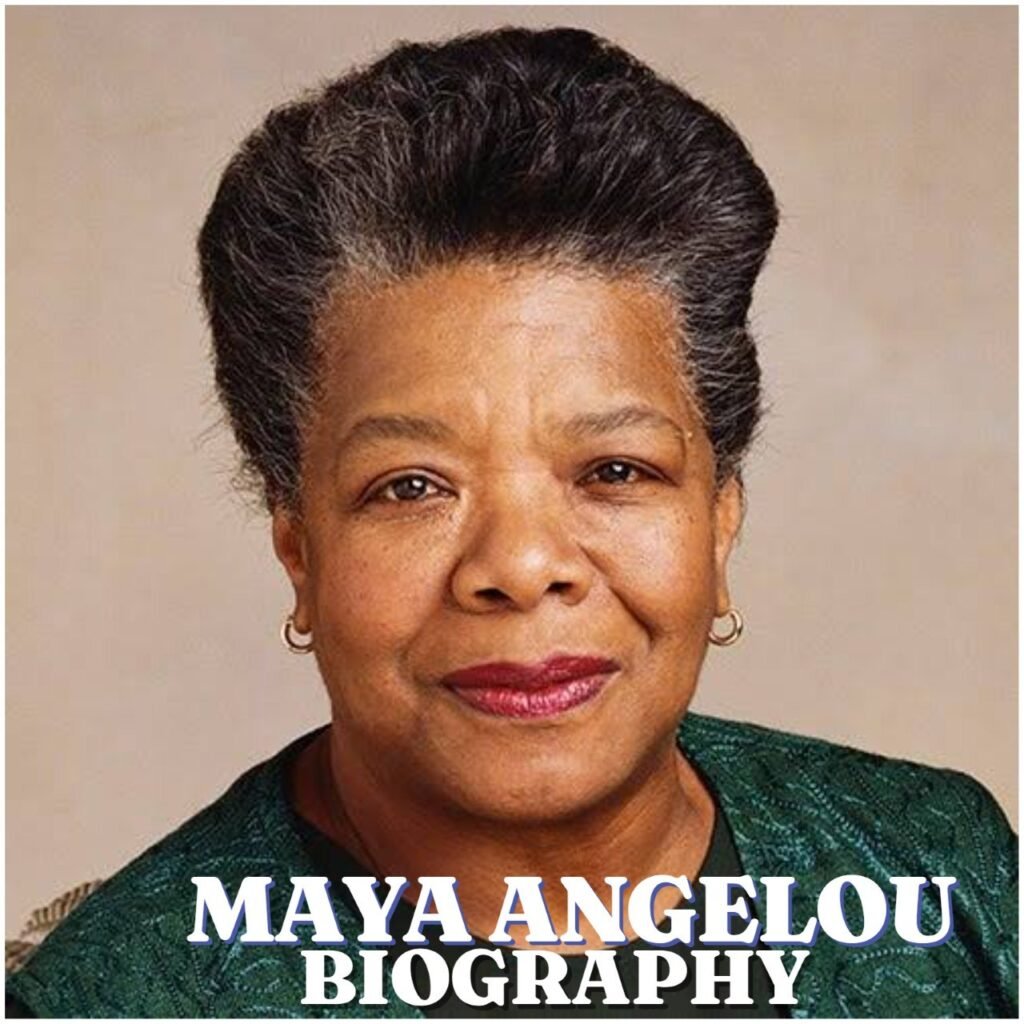

Introduction to Maya Angelou
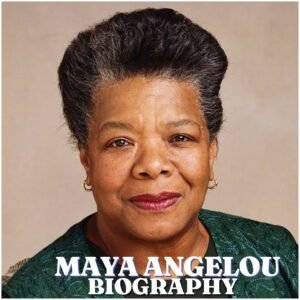
Maya Angelou was one of the most influential American poets, memoirists, authors, performers, and civil rights activists of the 20th century. Born Marguerite Ann Johnson on April 4, 1928, in St. Louis, Missouri, United States, she became internationally recognised for her powerful writing, inspirational poetry, and dedication to human rights. Through her books, speeches, and artistic performances, Angelou explored themes of racism, identity, courage, womanhood, freedom, and personal resilience. Her remarkable ability to transform difficult life experiences into meaningful literary works made her an important voice in American literature and a source of inspiration to millions of people worldwide.
Maya Angelou gained widespread recognition following the publication of her groundbreaking autobiography, *I Know Why the Caged Bird Sings*, in 1969. The book explored her childhood experiences, personal struggles, racial discrimination, and journey towards self-discovery, establishing her as a significant literary figure. She subsequently published numerous
autobiographies, poetry collections, essays, and other works that examined the complexities of human life and society. One of her most memorable public appearances came in 1993, when she recited her poem *On the Pulse of Morning* at the inauguration of United States President Bill Clinton. This historic performance introduced her work to an even broader audience and strengthened her reputation as a powerful literary and cultural voice.
Beyond her achievements as a writer and poet, Maya Angelou played an important role in the American civil rights movement and worked alongside prominent activists who advocated for racial equality and social justice. Her contributions to literature and public life earned her numerous honours, including the Presidential Medal of Freedom in 2010. Although she died on May 28, 2014, at the age of 86, her influence continues through her books, recorded performances, educational initiatives, and the generations of writers inspired by her work. As of October 2026, Maya Angelou remains widely celebrated for her enduring message of hope, dignity, courage, and perseverance, making her biography an important subject for readers interested in literature, history, feminism, and the struggle for equality.
Early Life of Maya Angelou
Maya Angelou was born Marguerite Ann Johnson on April 4, 1928, in St. Louis, Missouri, United States. She was the daughter of Bailey Johnson, a doorman and navy dietitian, and Vivian Baxter Johnson, a nurse and real estate agent. Her early childhood was marked by family difficulties, and when her parents’ marriage broke down, she and her older brother, Bailey Johnson Jr., were sent to live with their paternal grandmother, Annie Henderson, in Stamps, Arkansas. Her grandmother owned a general store that served members of the local Black community. Growing up in the segregated American South exposed Angelou to racial discrimination and inequality from an early age, experiences that later became important themes in her autobiographies and poetry.
During her childhood, Angelou experienced several deeply challenging events that influenced her emotional development and outlook on life. After returning to live with her mother in St. Louis, she suffered sexual abuse by her mother’s boyfriend. Following the man’s death, Angelou became largely silent for several years, believing that her words had contributed to his death because she had identified him as her abuser. During this difficult period, she found comfort in books, literature, and poetry. With encouragement from people around her, particularly a family friend and teacher named Bertha Flowers, she gradually rediscovered her voice and developed a lasting appreciation for language. Reading the works of celebrated writers and poets helped her build the literary foundation that would later distinguish her as one of America’s most respected authors.
As Angelou grew older, she began exploring different opportunities and responsibilities while continuing to develop her interests in literature, performance, and the arts. As a teenager, she attended school in California and later studied at the California Labor School. At the age of 16, she gave birth to her only child, Guy Johnson, and took on the responsibility of raising him while pursuing employment and personal independence. She worked in various jobs, including as a cook, waitress, and streetcar conductor in San Francisco, becoming one of the first Black women to work as a streetcar conductor in the city. These early experiences helped shape her determination, independence, and understanding of the challenges faced by women and African Americans. The struggles and achievements of her formative years later provided important material for her writing, particularly her celebrated autobiography, *I Know Why the Caged Bird Sings*.
Education of Maya Angelou
Maya Angelou’s education began during her childhood in Stamps, Arkansas, where she attended segregated schools in the American South. Her early educational experiences took place against the background of racial discrimination, which limited opportunities for many Black children during that period. Despite these challenges, Angelou developed a strong interest in reading, literature, and poetry. Books became an important source of knowledge and comfort during her formative years, helping her explore different perspectives and develop her understanding of language. Although her childhood was marked by personal difficulties, her exposure to literature played a significant role in shaping the writing skills and expressive voice that later made her internationally recognised.
During her teenage years, Angelou attended George Washington High School in San Francisco, California. Her education was interrupted at various points by family circumstances and the responsibilities she assumed as a young mother. At the age of 16, she graduated from high school after giving birth to her son, Guy Johnson. Angelou’s experiences during this period demonstrated her determination to continue learning while navigating the practical challenges of adolescence and motherhood. She also explored different interests outside the traditional classroom, including music, dance, theatre, and performance, which eventually became important parts of her professional career.
Unlike many prominent literary figures, Maya Angelou did not follow a conventional university education pathway and is not widely known for holding a college degree. Much of her intellectual development came through independent reading, personal experiences, artistic training, travel, and engagement with other writers and civil rights activists. Her dedication to lifelong learning enabled her to become a celebrated poet, memoirist, educator, and public speaker. In recognition of her literary achievements and contributions to society, Angelou received numerous honorary degrees from universities and educational institutions. Her life demonstrates that education can extend beyond formal qualifications, with curiosity, perseverance, and a commitment to learning serving as powerful foundations for personal and professional growth.
Maya Angelou’s Career
Maya Angelou built an extraordinary career as a poet, memoirist, novelist, actress, singer, dancer, screenwriter, director, educator, and civil rights activist. Her professional journey began long before she became a celebrated literary figure, as she explored different occupations and artistic opportunities while raising her son. During her younger years, she worked as a cook, waitress, and streetcar conductor in San Francisco. These early experiences exposed her to different aspects of American society and helped develop the independence and determination that would later define her career. Rather than limiting herself to one profession, Angelou embraced multiple creative disciplines, using her talents to communicate ideas about identity, racism, freedom, womanhood, and human dignity.
Angelou’s early involvement in entertainment included singing, dancing, and performing in theatre productions. She travelled internationally as a performer and became involved in touring productions that allowed her to develop her stage presence and artistic confidence. During the 1950s, she performed professionally as a singer and dancer, sometimes using the name Maya Angelou, which eventually became her best-known public identity. Her experience in music and theatre strengthened her ability to communicate with audiences, while her exposure to different cultures broadened her understanding of human experiences. These early artistic activities established the foundation for her later success as a writer and public speaker, demonstrating her versatility and willingness to explore different forms of creative expression.
One of the most important turning points in Angelou’s career came with her involvement in the civil rights movement during the 1960s. She worked with the Southern Christian Leadership Conference, serving as its Northern Coordinator, and developed connections with prominent activists, including Martin Luther King Jr. and Malcolm X. Her experiences in the movement strengthened her commitment to equality, freedom, and social justice. During this period, she also spent time in Egypt and Ghana, where she worked in journalism and became more deeply engaged with African history, culture, and the experiences of people of African descent. These international experiences broadened her perspective and later influenced several of her autobiographical works.
Angelou achieved international literary recognition with the publication of *I Know Why the Caged Bird Sings* in 1969. The autobiography explored her childhood, racial discrimination, and personal development, earning widespread critical attention and a nomination for the National Book Award. She subsequently published additional autobiographies, including *Gather Together in My Name*, *Singin’ and Swingin’ and Gettin’ Merry Like Christmas*, and *The Heart of a Woman*. Her poetry also became widely admired, particularly collections and poems such as *And Still I Rise* and *Phenomenal Woman*, which celebrate resilience, dignity, confidence, and the strength of women. Across her writing career, Angelou produced more than 30 books and became an enduring voice in American literature.
In addition to writing, Angelou made significant contributions to film, television, theatre, and education. In 1972, she became the first African American woman to have a screenplay produced as a feature film with *Georgia, Georgia*. She also appeared in productions such as the television miniseries *Roots* and the film *Poetic Justice*. In 1982, she became the Reynolds Professor of American Studies at Wake Forest University, where she taught and inspired students for decades. One of the defining moments of her public career occurred in 1993, when she recited her poem *On the Pulse of Morning* at President Bill Clinton’s inauguration, receiving widespread attention and a Grammy Award for the spoken-word recording. Her many honours included the National Medal of Arts in 2000 and the Presidential Medal of Freedom in 2010. Maya Angelou died on May 28, 2014, but her literary achievements and contributions to civil rights continue to influence readers, artists, educators, and activists around the world.
Why Maya Angelou Is Trending Again
Maya Angelou continues to attract public interest because of her lasting influence on literature, civil rights, women’s empowerment, and discussions about racial equality. Although she passed away in 2014, her books and poems remain widely read in schools, universities, book clubs, and literary discussions worldwide. Her ability to transform personal experiences into powerful reflections on courage, identity, discrimination, and hope has helped her work remain relevant to contemporary audiences. Readers continue to revisit her writing to understand the historical experiences of African Americans and to explore themes of perseverance and human dignity.
Another reason for renewed interest in Angelou is the continued popularity of her celebrated works, including *I Know Why the Caged Bird Sings*, *And Still I Rise*, and *Phenomenal Woman*. Her writing is frequently discussed in conversations about self-respect, overcoming adversity, women’s achievements, and the importance of telling stories that have historically been overlooked. Her words also continue to circulate through educational programmes, literary events, social media posts, and inspirational discussions, introducing her message to younger generations.
Angelou’s legacy also remains important because of her contributions to the American civil rights movement and her historic 1993 performance of *On the Pulse of Morning* at President Bill Clinton’s inauguration. Her achievements demonstrate how literature and public speaking can contribute to cultural understanding and social change. While she is not alive to participate in current events, interest in her life and work continues through commemorations, publications, performances, and discussions of her influence on contemporary writers and activists.
Maya Angelou’s Personal Life and Family
Maya Angelou was born Marguerite Ann Johnson to Bailey Johnson and Vivian Baxter Johnson in St. Louis, Missouri. Her family relationships played a major role in shaping her personality, values, and literary career. Following her parents’ separation, she and her older brother, Bailey Johnson Jr., spent much of their childhood living with their paternal grandmother, **Annie Henderson**, in Stamps, Arkansas. Angelou affectionately called her grandmother “Momma” and often credited her with providing stability, discipline, and guidance during her early years. Although her relationship with her mother, Vivian Baxter, was complicated during childhood, the two gradually developed a close bond as Angelou grew older. Their relationship became a central subject in her 2013 memoir, *Mom & Me & Mom*, which explored forgiveness, reconciliation, and the enduring importance of family love.
Angelou became a mother at the age of 16 when she gave birth to her only child, **Guy Johnson**, whose birth name was Clyde Johnson. Raising her son while pursuing her education, employment, and artistic ambitions was an important part of her personal journey. She frequently expressed pride in Guy and described motherhood as one of the most meaningful experiences of her life. Despite the demands of her professional career, she maintained a strong relationship with him, and he later became a writer himself. Angelou’s experiences as a young mother influenced her understanding of responsibility, independence, sacrifice, and perseverance. Her family life also extended to her grandson, Colin Ashanti Murphy-Johnson, and she often spoke about the importance of nurturing younger generations and helping children develop confidence in their abilities. Guy Johnson died in February 2022, several years after his mother’s death.
Throughout her adult life, Angelou had several significant romantic relationships and marriages. She married **Enistasious “Tosh” Angelos**, a Greek-American former sailor, in the late 1940s or around 1950; the marriage ended in divorce in the early 1950s. In the early 1960s, she became involved with **Vusumzi Make**, a South African anti-apartheid activist, and they lived together during a period when Angelou was spending time outside the United States. Sources differ on whether their relationship resulted in a legal marriage. In 1973, she married **Paul du Feu**, a Welsh carpenter and writer, but they divorced in 1981. Angelou generally kept aspects of her romantic life private, choosing instead to focus public attention on her writing, activism, and family. She did not become widely known for having a fiancé late in life; her enduring legacy is closely associated with her son, her extended family, and the lessons about love, dignity, and resilience expressed throughout her work.
Maya Angelou’s Age, Religion, Nationality, Health and Physical Appearance
**Age:** Maya Angelou was born on April 4, 1928, in St. Louis, Missouri, United States, and died on May 28, 2014, at the age of 86. If she were alive on October 20, 2026, she would be 98 years old. Her life spanned a transformative period in American history, and she became a celebrated author, poet, performer, educator, and civil rights activist. Her experiences and achievements made her one of the most recognisable literary figures of her generation.
**Religion:** Maya Angelou was raised in a Christian environment, particularly within the Baptist tradition, and her early religious experiences influenced her understanding of faith, morality, and human dignity. Her paternal grandmother, Annie Henderson, played an important role in her upbringing and introduced her to strong Christian values. Throughout her life, Angelou frequently explored spirituality, compassion, forgiveness, and the importance of treating others with respect. Her writing reflected an appreciation for faith and the human capacity for personal growth, although her broader spiritual outlook was shaped by her life experiences, reading, and encounters with different cultures.
**Nationality:** Maya Angelou was American by nationality. She was born in St. Louis, Missouri, and spent parts of her childhood in Arkansas and California. Her experiences as a Black woman growing up in a racially segregated society strongly influenced her writing and activism. Angelou also spent time living and working in countries including Egypt and Ghana, experiences that broadened her cultural perspective and strengthened her interest in African history and the connections between African people and the wider African diaspora. Despite her international experiences, she remained a prominent American literary figure whose work addressed equality, identity, freedom, and social justice.
**Health:** Maya Angelou faced significant personal and emotional challenges during her childhood, and her experiences influenced her later writing about trauma, resilience, and recovery. Following a traumatic childhood experience, she experienced a prolonged period in which she rarely spoke, and literature became an important part of her personal development. As an adult, she continued to write, teach, perform, and speak publicly for decades. She died at her home in Winston-Salem, North Carolina, on May 28, 2014, at the age of 86. Although reports described her as having experienced health problems before her death, a specific public cause of death was not definitively established in the commonly cited biographical accounts.
**Physical Appearance:** Maya Angelou was known for her tall stature, graceful presence, distinctive voice, and expressive manner of speaking. Biographical sources commonly report that she stood approximately six feet (1.83 metres) tall. Her background in dance, theatre, and performance contributed to her confident posture and commanding stage presence. She often appeared in elegant clothing, colourful dresses, and distinctive accessories, presenting a dignified public image that complemented her role as a poet, educator, and public speaker. Her appearance became familiar to audiences through televised interviews, public readings, literary events, and appearances at important national ceremonies.
Maya Angelou’s Age, Religion, Tribe, Height and Physical Appearance
**Age:** Maya Angelou was born on April 4, 1928, in St. Louis, Missouri, United States. She died on May 28, 2014, at the age of 86. If she were alive on October 20, 2026, she would be 98 years old. She spent her life contributing to literature, poetry, performance, education, and civil rights activism. Her remarkable career and personal experiences made her an influential figure whose writings continue to be studied and celebrated around the world.
**Religion:** Maya Angelou grew up in a Christian household and was strongly influenced by the Baptist religious traditions of her family and community. Her paternal grandmother, Annie Henderson, played a significant role in her upbringing and helped introduce her to Christian teachings and values. Faith, spirituality, forgiveness, compassion, and human dignity became recurring themes in Angelou’s writing. Although her outlook developed through her experiences and exposure to different cultures, her Christian upbringing remained an important part of her personal background and helped shape the values reflected in her literary works.
**Tribe and Ethnic Background:** Maya Angelou was an African American woman born in the United States. The term *tribe* is not generally the most accurate way to describe her identity because she is not widely documented as belonging to a specific African ethnic group or traditional tribe. Her ancestry and cultural identity were connected to the history and experiences of Black Americans, including the legacy of African ancestry, slavery, segregation, and the struggle for civil rights. Through her autobiographies and poetry, Angelou explored the experiences of African Americans and celebrated Black identity, cultural heritage, dignity, and resilience. Her work helped bring the stories and perspectives of Black women to a wider international audience.
**Height:** Maya Angelou was approximately 6 feet (1.83 metres) tall, according to published biographical listings. Her height, combined with her confident posture and expressive speaking style, contributed to her commanding presence during poetry readings, lectures, interviews, and public appearances. She also had a background in dance and theatre, which helped her develop strong performance skills and a distinctive stage presence throughout her career.
**Physical Appearance:** Maya Angelou was widely recognised for her tall stature, warm smile, expressive face, and distinctive, resonant voice. She frequently appeared in elegant dresses, colourful clothing, and statement jewellery, presenting a dignified and memorable public image. Her confident manner of speaking and thoughtful expressions made her a compelling presence at literary gatherings and public events. However, her influence extended far beyond her physical appearance: audiences came to admire her for her intelligence, creativity, eloquence, and ability to communicate powerful messages about equality, self-respect, courage, and the human experience.
Maya Angelou’s Social Media Presence
Maya Angelou continues to maintain a strong digital presence through official legacy platforms managed by representatives of her estate and family. Although the celebrated poet, author, and civil rights activist died on May 28, 2014, her words, interviews, poetry, and inspirational messages continue to reach audiences worldwide through social media. Her official legacy website provides links to her social media profiles and shares updates about her literary achievements, books, commemorations, and charitable initiatives.
Readers can look for her legacy accounts on **Facebook, Instagram, X (formerly Twitter), and YouTube**. However, because Angelou is deceased, these accounts should not be interpreted as personally managed by her. For verified information, readers can visit her official website at [mayaangelou.com](https://www.mayaangelou.com/), which provides information about her work and continuing legacy.
Her online presence helps preserve her influence among younger generations, writers, students, educators, and admirers. Through archived speeches, readings, quotations, and discussions of her books, Angelou’s message of courage, equality, self-respect, and perseverance continues to inspire people around the world. Her digital legacy ensures that her contributions to literature and civil rights remain accessible long after her lifetime.
Maya Angelou’s Net Worth
Maya Angelou’s estimated net worth was approximately **$10 million at the time of her death in 2014**, according to Celebrity Net Worth. This figure is an unofficial estimate rather than a verified financial statement, so her exact wealth remains uncertain. Angelou built her financial success through decades of work as a poet, memoirist, author, actress, director, educator, and public speaker. Her international reputation and the lasting popularity of her books helped establish her as one of the most successful literary figures of her generation.
A substantial portion of Angelou’s earnings came from book sales and publishing royalties, particularly from her celebrated autobiography, *I Know Why the Caged Bird Sings*, published in 1969. She also earned income from poetry collections, essays, speaking engagements, university teaching, film and television appearances, and commercial licensing agreements. Her long career as a professor at Wake Forest University provided another source of professional income, while her literary achievements opened opportunities for collaborations with organisations and commercial brands. These varied income streams helped her build financial stability while continuing her work in literature, education, and civil rights.
Following Angelou’s death on May 28, 2014, her literary estate continued to preserve and manage her intellectual legacy. Her books remain widely read, and her poetry, recorded performances, and other works continue to attract interest from readers, educators, and institutions. Although the estate’s current total value and annual earnings are not publicly established in the sources cited here, the continued publication and recognition of her work demonstrate its enduring cultural and commercial significance. Ultimately, Maya Angelou’s financial legacy reflects a lifetime of creativity and achievement, while her greatest contribution remains the influence of her words on generations around the world.
Maya Angelou’s Legacy
Maya Angelou’s legacy is firmly established in American literature, poetry, education, and the global struggle for civil rights. Through her autobiographies, poetry collections, essays, speeches, and performances, she gave powerful expression to the experiences of Black Americans, particularly Black women, whose stories had often been overlooked in mainstream literature. Her groundbreaking autobiography, *I Know Why the Caged Bird Sings*, remains one of her most influential works, exploring childhood, racism, identity, trauma, and the determination to overcome adversity. Her poetry collections, including *And Still I Rise*, also continue to inspire readers with their messages of courage, dignity, freedom, and perseverance. By turning personal experiences into literature that connected with people from different backgrounds, Angelou established herself as one of the most important literary voices of the 20th century.
Beyond her literary achievements, Angelou left a lasting mark on civil rights activism, women’s empowerment, and public education. Her involvement in the civil rights movement connected her with influential figures such as Martin Luther King Jr. and Malcolm X, strengthening her commitment to equality and social justice. In 1993, she became an important part of American cultural history when she recited her poem *On the Pulse of Morning* at President Bill Clinton’s inauguration. She received numerous honours throughout her lifetime, including the Presidential Medal of Freedom in 2010, recognising her contributions to American society. As an educator and public speaker, she encouraged students, writers, and audiences to challenge discrimination, value their identities, and recognise the importance of compassion and mutual respect. Her work continues to feature in schools, universities, literary discussions, and cultural programmes worldwide.
Although Maya Angelou died on May 28, 2014, her influence remains strong among readers, artists, activists, and younger generations discovering her work for the first time. Her memorable poems, including *Still I Rise* and *Phenomenal Woman*, continue to be discussed in conversations about confidence, resilience, equality, and the experiences of women. Her autobiographies preserve important perspectives on American history, while her public speeches demonstrate the power of language to encourage reflection and inspire social change. Through the continued publication of her books, the preservation of her recordings, and the work of those who maintain her literary legacy, Angelou remains a symbol of courage, creativity, and determination. Her enduring contribution is not only the literature she produced but also the message that people can rise above hardship, defend their dignity, and use their voices to help create a more compassionate and equal world.
Conclusion
Maya Angelou remains one of the most influential poets, authors, memoirists, and civil rights activists in modern history. Born on April 4, 1928, she overcame numerous personal challenges and transformed her experiences into powerful literary works that continue to inspire millions of people worldwide. Her groundbreaking autobiography, *I Know Why the Caged Bird Sings*, her celebrated poetry collection *And Still I Rise*, and her historic performance at President Bill Clinton’s 1993 inauguration established her as a significant voice for equality, courage, and human dignity. Throughout her life, Angelou used literature, education, and activism to challenge racial discrimination, encourage women’s empowerment, and promote understanding across cultures. Although she died on May 28, 2014, at the age of 86, her contributions remain relevant in literature, education, and social justice discussions. Her enduring legacy reminds readers that resilience, self-respect, and the courage to speak the truth can make a lasting difference in society, ensuring that Maya Angelou’s name and work continue to inspire generations to come.
Frequently Asked Questions About Maya Angelou
1. Who was Maya Angelou?
Maya Angelou was an American poet, memoirist, author, actress, educator, and civil rights activist. She became famous for her autobiographies, poetry, and advocacy for racial equality, women’s empowerment, and human dignity.
2. When was Maya Angelou born?
Maya Angelou was born on April 4, 1928, in St. Louis, Missouri, United States. Her birth name was Marguerite Ann Johnson.
3. How old was Maya Angelou when she died?
Maya Angelou was 86 years old when she died on May 28, 2014, in Winston-Salem, North Carolina.
4. What was Maya Angelou famous for?
Maya Angelou was famous for her groundbreaking autobiography *I Know Why the Caged Bird Sings*, her poetry collection *And Still I Rise*, and her contributions to the civil rights movement. She was also recognised for reciting *On the Pulse of Morning* at President Bill Clinton’s inauguration in 1993.
5. What was Maya Angelou’s real name?
Maya Angelou’s real name was Marguerite Ann Johnson. She adopted the name Maya Angelou during her early performing career.
6. Who was Maya Angelou’s son?
Maya Angelou’s only son was Guy Johnson, born Clyde Johnson. He became a writer and remained an important part of her family life.
7. Was Maya Angelou married?
Yes. Maya Angelou married several times during her life. Her husbands included Tosh Angelos and Paul du Feu. She also had a significant relationship with South African activist Vusumzi Make.
8. What was Maya Angelou’s religion?
Maya Angelou grew up in a Christian, particularly Baptist, environment. Her spiritual beliefs and early religious experiences influenced themes of faith, compassion, forgiveness, and human dignity in her writing.
9. What was Maya Angelou’s nationality?
Maya Angelou was American. She was born in Missouri and became internationally recognised for her contributions to literature, performance, and civil rights activism.
10. What was Maya Angelou’s estimated net worth?
Maya Angelou’s net worth was estimated at approximately $10 million at the time of her death in 2014 by some celebrity wealth publications. This figure is unofficial and has not been confirmed through a public financial statement.
11. What were Maya Angelou’s most famous books?
Some of Maya Angelou’s best-known works include *I Know Why the Caged Bird Sings*, *And Still I Rise*, *Gather Together in My Name*, *The Heart of a Woman*, and *Mom & Me & Mom*.
12. Did Maya Angelou win any awards?
Yes. Maya Angelou received numerous honours, including the Presidential Medal of Freedom in 2010 and a Grammy Award for the spoken-word recording of *On the Pulse of Morning*. She also received many honorary degrees in recognition of her literary and educational contributions.
13. What was Maya Angelou’s height?
Maya Angelou was commonly reported to be approximately 6 feet (1.83 metres) tall. Her stature and distinctive speaking voice contributed to her commanding presence during public appearances.
14. Why is Maya Angelou still relevant today?
Maya Angelou remains relevant because her writing addresses enduring themes such as racism, identity, resilience, equality, and women’s empowerment. Her books and poetry continue to be studied in educational institutions and shared by readers worldwide.
15. Where can readers find Maya Angelou’s official legacy information?
Readers can visit [Maya Angelou’s official website](https://www.mayaangelou.com/) for information about her biography, books, family legacy, and continuing cultural influence.