
Introduction
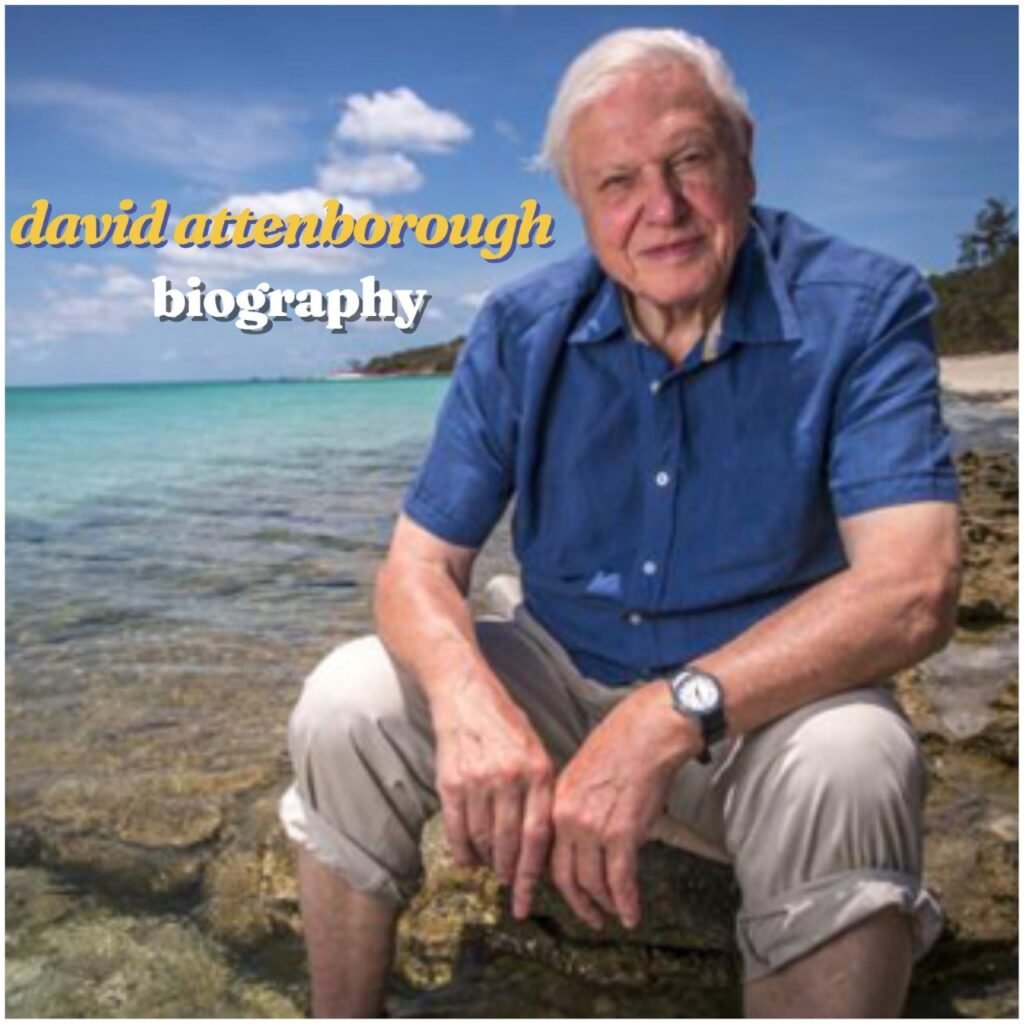
Sir David Attenborough is a legendary British broadcaster, natural historian, author, and conservationist whose remarkable career has transformed the way people understand and appreciate the natural world. For more than seven decades, he has been the trusted voice behind some of the most celebrated wildlife documentaries ever produced, bringing viewers face-to-face with extraordinary landscapes, rare animal species, and the complex ecosystems that sustain life on Earth. Through his engaging storytelling, scientific accuracy, and unmistakable narration, Attenborough has become one of the most recognizable and respected figures in television history.
Born on May 8, 1926, in London, England, David Attenborough developed a fascination with nature from an early age. After studying Natural Sciences at the University of Cambridge, he joined the BBC in the early 1950s, where he helped revolutionize wildlife broadcasting. His groundbreaking documentary series, including Life on Earth, The Blue Planet, Planet Earth, Frozen Planet, and Dynasties, have reached audiences in nearly every corner of the globe. These productions not only showcased the beauty of the natural world but also highlighted the growing environmental challenges facing wildlife and ecosystems.
As Sir David Attenborough celebrates his 100th birthday in 2026, his influence remains as powerful as ever. He continues to inspire millions through his documentaries, books, speeches, and advocacy for environmental conservation. His recent projects, including Ocean with David Attenborough, reinforce his lifelong commitment to protecting biodiversity and encouraging sustainable stewardship of the planet. Widely regarded as one of the greatest natural historians of all time, Attenborough’s enduring legacy extends far beyond television, making him a global symbol of scientific education, conservation, and hope for future generations.
Early Life
Sir David Frederick Attenborough was born on May 8, 1926, in Isleworth, Middlesex, England, and grew up in Leicester, where his lifelong fascination with the natural world first began. He was the second of three sons born to Frederick Attenborough, who served as the principal of University College, Leicester, and Mary Attenborough. Growing up in an academically rich environment, David developed an early curiosity about wildlife, geology, and fossils. As a young boy, he spent countless hours collecting rocks, fossils, and natural specimens, hobbies that laid the foundation for his future career as one of the world’s most celebrated natural historians.
Attenborough’s childhood was shaped not only by his family’s strong emphasis on education but also by the experiences of living through the Second World War. During those difficult years, the Attenborough family even welcomed Jewish refugee girls fleeing Nazi Germany into their home, exposing David to different cultures and human experiences from an early age. His love for animals and exploration continued to grow, and he often visited museums, read books about nature, and explored the countryside surrounding Leicester, nurturing the passion that would later define his life’s work.
After completing his early education at Wyggeston Grammar School for Boys, David Attenborough earned a scholarship to Clare College, University of Cambridge, where he studied Natural Sciences, specializing in zoology and geology. His university education strengthened his scientific knowledge and deepened his understanding of the natural world. Following graduation, he completed two years of National Service in the Royal Navy before eventually joining the BBC in the early 1950s. These formative experiences equipped him with the scientific background, discipline, and curiosity that would later enable him to revolutionize wildlife broadcasting and inspire generations around the globe.
Education
David Attenborough received his early education at Wyggeston Grammar School for Boys in Leicester, England, where he distinguished himself as a bright and inquisitive student with a deep interest in science and the natural world. From an early age, he displayed an extraordinary curiosity about wildlife, geology, and fossils, often spending his free time collecting specimens and reading scientific books. His teachers recognized his enthusiasm for learning, encouraging him to pursue his passion for natural sciences, which would later become the foundation of his remarkable career.
After completing his secondary education, Attenborough earned a scholarship to Clare College, University of Cambridge, one of the United Kingdom’s most prestigious academic institutions. There, he studied Natural Sciences, specializing in zoology and geology, subjects that provided him with a thorough understanding of animal biology, evolution, ecosystems, and the Earth’s physical history. His studies combined classroom learning with scientific observation and research, equipping him with the knowledge and analytical skills that would later distinguish his documentaries for their accuracy and educational value.
Upon graduating from the University of Cambridge in 1947, David Attenborough completed two years of National Service in the Royal Navy, serving in North Wales and the Firth of Forth before being stationed in Scotland. Although he did not immediately enter broadcasting, his scientific education and disciplined training proved invaluable throughout his career. The combination of academic excellence, practical experience, and an enduring curiosity about the natural world enabled him to become one of the most respected wildlife broadcasters, conservationists, and science communicators in history. His educational journey continues to inspire aspiring scientists, filmmakers, and environmental advocates around the world.
Career
Sir David Attenborough began his professional career after completing his National Service in the Royal Navy, initially working in educational publishing before joining the British Broadcasting Corporation (BBC) in 1952 as a trainee producer. Although he had little experience in television production at the time, his scientific background and passion for the natural world quickly set him apart. His breakthrough came with the television series Zoo Quest (1954–1963), in which he traveled to remote parts of the world to film rare animals in their natural habitats. The program introduced audiences to wildlife they had never seen before and established Attenborough as one of Britain’s most promising television presenters and natural history filmmakers.
Throughout the 1960s and 1970s, Attenborough held several senior leadership positions at the BBC, including Controller of BBC Two and later Director of Programmes. During his tenure, he played a major role in modernizing British television by supporting innovative programming and helping introduce color broadcasting to BBC Two. Despite his success as a television executive, his true passion remained documentary filmmaking. He eventually returned to full-time broadcasting, embarking on an ambitious series of natural history documentaries that would redefine the genre. His landmark productions—including Life on Earth, The Living Planet, The Trials of Life, The Private Life of Plants, The Blue Planet, Planet Earth, Frozen Planet, Africa, Dynasties, and numerous other acclaimed series—combined groundbreaking cinematography, scientific accuracy, and compelling storytelling to bring the wonders of nature into homes across the globe.
Over more than seven decades, David Attenborough has become the world’s most influential wildlife broadcaster and one of the most trusted voices in environmental conservation. His documentaries have been broadcast in hundreds of countries and translated into numerous languages, reaching billions of viewers. In recent years, his work has increasingly focused on climate change, biodiversity loss, ocean conservation, and sustainable living through projects such as A Life on Our Planet, The Green Planet, Wild Isles, and Ocean with David Attenborough. His extraordinary career has earned him countless honors, including BAFTA Awards, Emmy Awards, the Royal Geographical Society’s Patron’s Medal, and a knighthood. Even after celebrating his 100th birthday in 2026, Attenborough continues to educate, inspire, and encourage global action to protect the Earth’s ecosystems for future generations.
Personal Life and Family
Sir David Attenborough married Jane Elizabeth Ebsworth Oriel in 1950, and the couple shared a happy and supportive marriage for nearly five decades until Jane’s death from a brain hemorrhage in 1997. Throughout his extensive career, which often required him to travel to some of the world’s most remote locations for months at a time, Jane provided unwavering support while managing their family life at home. Attenborough has frequently acknowledged that the demands of his work meant he spent long periods away from his loved ones, but he has always spoken with deep affection and gratitude for his late wife’s understanding and encouragement.
David and Jane Attenborough had two children: Robert Attenborough, who became a senior academic and educator in Australia, and Susan Attenborough, a former primary school headteacher in the United Kingdom. Although Sir David is one of the world’s most recognizable television personalities, he has consistently kept his children and wider family out of the public spotlight, preferring to protect their privacy. His family has remained an important source of strength throughout his life, even as his career took him across every continent documenting wildlife and environmental issues.
David Attenborough comes from a distinguished family with notable achievements in education, film, and business. His elder brother, Richard Attenborough, was the acclaimed actor, director, and Academy Award-winning filmmaker best known for directing Gandhi and starring in films such as Jurassic Park. His younger brother, John Attenborough, built a successful career in the automotive industry. Since the passing of his wife, Sir David has not remarried and has never publicly announced another fiancée or long-term partner. Instead, he has devoted much of his time to documentary filmmaking, environmental advocacy, writing, and spending time with his children, grandchildren, and extended family whenever possible.
Age, Religion, Tribe, Height and Physical Appearance
Age: As of 2026, Sir David Attenborough is 100 years old, having been born on May 8, 1926, in Isleworth, Middlesex, England. Reaching the remarkable milestone of a century, he remains one of the world’s most respected broadcasters and environmental advocates. Even at 100, Attenborough continues to inspire global audiences through his documentaries, conservation campaigns, and public appearances, demonstrating an enduring passion for protecting the natural world.
Religion: David Attenborough has generally described himself as agnostic rather than identifying with a particular religion. Over the years, he has explained that his views are shaped by scientific inquiry and evidence, while also expressing deep respect for people of different faiths. His public work has consistently focused on nature, biodiversity, environmental conservation, and humanity’s responsibility to care for the planet rather than on religious issues.
Tribe: The concept of a tribe does not traditionally apply to David Attenborough because he is British. In terms of his ethnic and cultural background, he is English, with his family roots tracing to England. He was raised in Leicester and has spent most of his life in the United Kingdom, where he developed the passion for wildlife and science that would define his extraordinary career.
Height and Physical Appearance: Sir David Attenborough stands at approximately 5 feet 10 inches (178 cm) tall and has a slim build. He is widely recognized for his neatly groomed white hair, blue eyes, and warm, friendly smile. His calm demeanor, elegant style, and distinctive narration have become trademarks of his public image, while his gentle presence and authoritative voice continue to make him one of the most recognizable and respected figures in wildlife broadcasting around the world.
Net Worth
As of 2026, Sir David Attenborough’s estimated net worth is between $35 million and $45 million. While he has never officially confirmed his personal wealth, this estimate is based on his extraordinary career spanning more than 70 years as a television presenter, natural historian, author, documentary producer, and narrator. His work with the BBC and international broadcasters, along with royalties from bestselling books and documentary licensing agreements, has made him one of the most successful figures in wildlife broadcasting. Despite his financial success, Attenborough has always been known for his modest lifestyle and dedication to public service rather than personal luxury.
A significant portion of David Attenborough’s wealth has been earned through his involvement in some of the highest-rated nature documentaries ever produced, including Life on Earth, Planet Earth, The Blue Planet, Frozen Planet, Dynasties, and Ocean with David Attenborough. These productions have been distributed worldwide, generating income through television broadcasting rights, streaming platforms, DVD and digital sales, educational licensing, and international partnerships. In addition to his documentary work, he has authored numerous bestselling books on wildlife, natural history, and environmental conservation, further contributing to his long-term financial success.
Although Sir David Attenborough is considered financially successful, he has consistently focused his career on education, conservation, and raising awareness about environmental issues rather than building personal wealth. Throughout his life, he has supported scientific research and encouraged global efforts to protect biodiversity and combat climate change. His greatest legacy lies not in his estimated net worth but in the lasting impact of his documentaries, books, and advocacy, which have inspired millions of people around the world to value and protect the natural environment for future generations.
Legacy
Sir David Attenborough’s legacy is one of the most extraordinary in the history of broadcasting, natural history, and environmental conservation. Over a career spanning more than seven decades, he transformed wildlife filmmaking by combining scientific accuracy with captivating storytelling and groundbreaking cinematography. His landmark documentary series, including Life on Earth, The Blue Planet, Planet Earth, Frozen Planet, The Green Planet, and Dynasties, have educated billions of people about the beauty, complexity, and fragility of the natural world. Through his calm narration and deep knowledge of nature, Attenborough has inspired generations to appreciate wildlife and understand humanity’s responsibility to protect the planet.
Beyond television, David Attenborough has become one of the world’s most influential voices for environmental conservation and climate action. His speeches, books, documentaries, and public campaigns have drawn global attention to issues such as biodiversity loss, deforestation, ocean pollution, habitat destruction, and climate change. By presenting scientific evidence in a clear and accessible way, he has encouraged governments, conservation organizations, educators, and individuals to take meaningful action to safeguard Earth’s ecosystems. His advocacy has helped shape public discussions about sustainability and has inspired countless young scientists, filmmakers, environmentalists, and conservationists around the world.
As Sir David Attenborough celebrated his 100th birthday in 2026, his influence continued to extend far beyond the screen. He has received numerous national and international honors, including a knighthood, multiple BAFTA Awards, Emmy Awards, and prestigious recognition from scientific and conservation organizations. Widely regarded as one of the greatest natural historians of all time, Attenborough’s enduring legacy is measured not only by the awards he has received but also by the lasting impact of his work on public understanding of nature and environmental stewardship. His documentaries and lifelong commitment to protecting the planet will continue to educate and inspire future generations for many years to come.
Conclusion
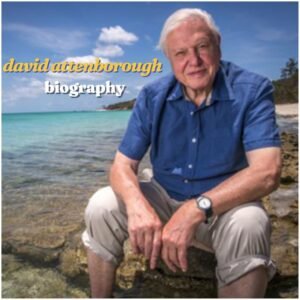
Sir David Attenborough’s remarkable life and career stand as a testament to the power of curiosity, education, and a lifelong commitment to protecting the natural world. From his early fascination with wildlife to becoming the world’s most celebrated natural historian and broadcaster, he has inspired billions of people through his documentaries, books, and environmental advocacy. Even at the age of 100 in 2026, Attenborough continues to influence global conversations about conservation, climate change, and biodiversity. His extraordinary achievements, unwavering dedication to science, and passion for educating future generations have secured his place as one of the most respected and influential figures in modern history, ensuring that his legacy will endure for generations to come.
Frequently Asked Questions (FAQs)
Who is David Attenborough?
David Attenborough is a British broadcaster, natural historian, author, and conservationist best known for presenting and narrating world-famous wildlife documentaries such as Planet Earth, The Blue Planet, Life on Earth, and Frozen Planet. He is widely regarded as one of the greatest wildlife filmmakers in history.
How old is David Attenborough in 2026?
As of 2026, David Attenborough is 100 years old. He was born on May 8, 1926, in Isleworth, Middlesex, England.
What is David Attenborough’s nationality?
David Attenborough is British. He was born and raised in England and has spent most of his life working in the United Kingdom.
What is David Attenborough’s religion?
David Attenborough has described himself as agnostic. He has said that his views are primarily guided by science and evidence while respecting the beliefs of others.
What is David Attenborough’s height?
David Attenborough is approximately 5 feet 10 inches (178 cm) tall.
Is David Attenborough married?
David Attenborough was married to Jane Elizabeth Ebsworth Oriel from 1950 until her death in 1997. He has not remarried.
Does David Attenborough have children?
Yes. David Attenborough has two children, Robert Attenborough and Susan Attenborough.
What is David Attenborough famous for?
David Attenborough is famous for creating and presenting groundbreaking wildlife documentaries, including Life on Earth, Planet Earth, The Blue Planet, Frozen Planet, and Dynasties. He is also internationally recognized for his work in environmental conservation.
What is David Attenborough’s estimated net worth?
As of 2026, David Attenborough’s estimated net worth is between $35 million and $45 million, based on his long career in broadcasting, documentary filmmaking, book publishing, and television production.
What did David Attenborough study?
David Attenborough studied Natural Sciences, specializing in zoology and geology, at Clare College, University of Cambridge.
Has David Attenborough won any awards?
Yes. David Attenborough has received numerous prestigious honors, including BAFTA Awards, Emmy Awards, a knighthood, and several international conservation and broadcasting awards for his outstanding contributions to television and environmental education.
What is David Attenborough doing in 2026?
In 2026, David Attenborough continues to be celebrated as a global conservation icon following his 100th birthday. Although he has reduced his workload compared with earlier years, he remains an influential voice on wildlife conservation, biodiversity, and climate change through documentaries, public appearances, and environmental advocacy.