
Introduction
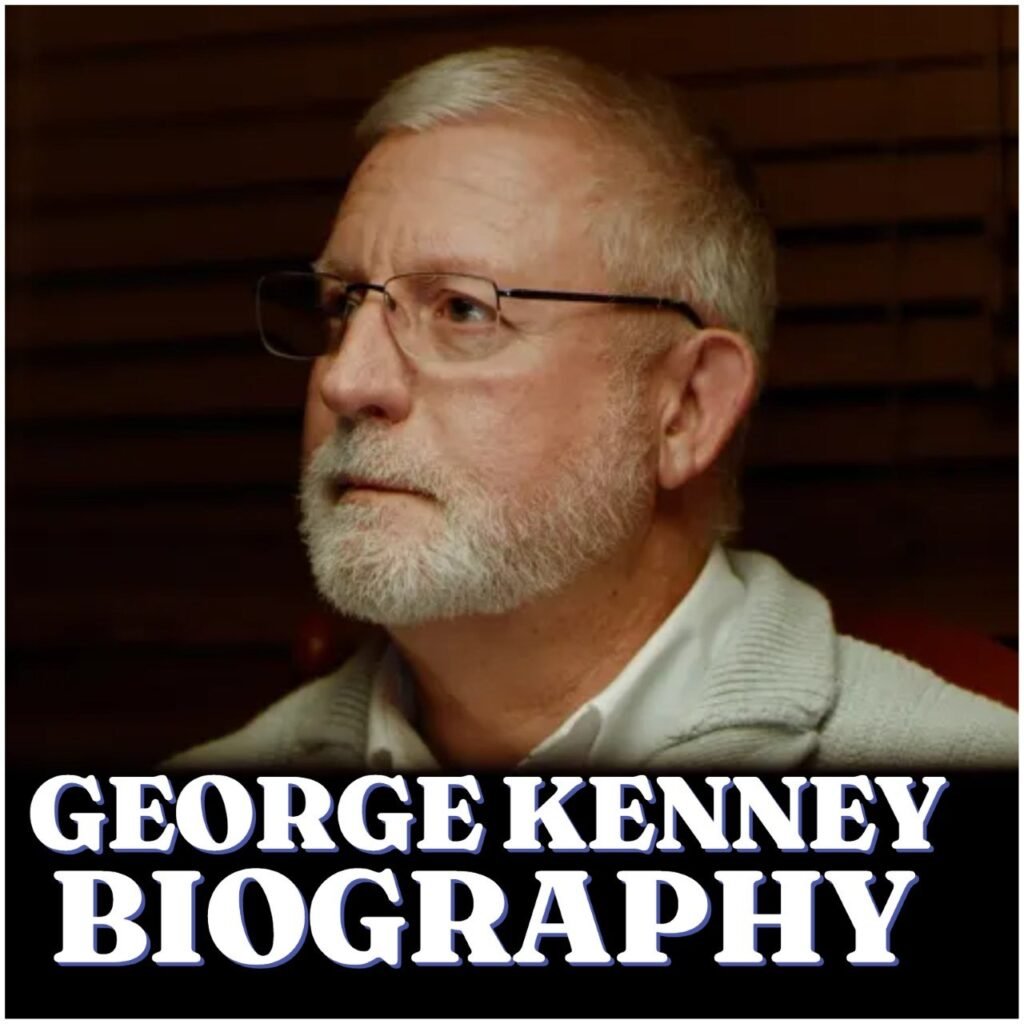
George Kenney was an American military general who helped transform air warfare during World War II. He was known for his technical knowledge, strong leadership and ability to find practical solutions to difficult military challenges.
Kenney played a major role in the Allied campaign against Japan. As commander of the Allied Air Forces in the Southwest Pacific, he worked closely with General Douglas MacArthur. He introduced new combat tactics and showed how aircraft could support ground troops and naval forces during military operations.
His influence continued after the war. He became the first commander of the Strategic Air Command and later led Air University, where military personnel received advanced training. His achievements earned him an important place in the history of American military aviation.
Early Life and Family Background
George Churchill Kenney was born on August 6, 1889, in Yarmouth, Nova Scotia, Canada. His parents were Joseph Atwood Kenney and Louise Churchill. They were visiting the area when he was born. The family later settled in Brookline, Massachusetts, where he spent much of his childhood.
Kenney grew up during a period of rapid technological change. Aviation was still developing, and aircraft had not yet become a major part of military operations. His interest in engineering and machinery helped prepare him for the technical challenges he would face throughout his career.
Before joining the military, he worked as an engineer. This experience taught him how machines worked and how to solve practical problems. Those skills later helped him as a pilot, aircraft specialist and military commander.
Education and Military Training
Kenney attended school in Brookline before enrolling at the Massachusetts Institute of Technology (MIT). He studied civil engineering for three years but left in 1910 without completing his degree. He then took an engineering job with the Quebec Saguenay Railroad.
He continued working in engineering and construction before joining the United States Army’s aviation service during World War I. In 1917, he enlisted as a flying cadet in the Aviation Section of the Signal Corps. He received his commission as a first lieutenant later that year and travelled to France for further flight training.
After the war, Kenney continued his military education. He attended the Air Service Engineering School, the Air Corps Tactical School, the Command and General Staff School and the Army War College. He graduated from the Army War College in 1933. His combination of technical knowledge and military training prepared him for senior leadership roles.
George Kenney’s Military Career
Service During World War I
Kenney began his military flying career during World War I. After completing his flight training in France, he joined the 91st Aero Squadron and flew combat missions on the Western Front.
His duties involved dangerous aerial operations against German forces. During the war, he flew about 75 combat missions and received credit for shooting down two enemy aircraft. He was also shot down but survived.
His bravery earned him two major military decorations: the Distinguished Service Cross and the Silver Star. By the end of the war, he had reached the rank of captain. His experience gave him valuable knowledge of aerial combat and strengthened his commitment to military aviation.
Developing New Military Ideas
After World War I, Kenney remained in military service. He worked in aviation engineering, aircraft testing and military training. His technical background made him especially interested in improving military aircraft and their performance.
He helped improve aircraft firepower by developing ways to mount machine guns on aircraft wings. This allowed pilots to attack enemy targets more effectively. He also explored better ways to use aircraft against ground forces.
Kenney later taught at the Air Corps Tactical School. There, he helped train future military leaders and encouraged them to think beyond traditional combat methods. He believed aircraft could play a greater role when working alongside land and naval forces.
In 1940, he served in France as an assistant military air attaché. He observed the conflict between German and French forces and studied how both countries used aircraft. These observations helped him identify improvements that could strengthen American military aviation.
Leadership in the Southwest Pacific During World War II
Kenney received his most important military assignment in 1942. He became commander of the Allied Air Forces in the Southwest Pacific and the United States Fifth Air Force. He served under General Douglas MacArthur, who led Allied operations in the region.
The situation was difficult when Kenney arrived. Allied forces faced shortages of aircraft, supplies and experienced personnel. Japanese forces controlled large areas, making it difficult for the Allies to move forward. Stronger air support was essential to changing the situation.
Kenney quickly began improving the air forces under his command. He introduced better training methods, encouraged pilots to adapt their tactics and made effective use of available aircraft. He also allowed his officers to test new ideas instead of relying only on traditional methods.
These changes helped make the Allied air forces more effective. Their attacks weakened Japanese positions, disrupted supply routes and supported Allied troops as they advanced through the Pacific.
The Battle of the Bismarck Sea
One of Kenney’s most important achievements came during the Battle of the Bismarck Sea in March 1943. Japanese forces were sending a convoy of ships carrying troops and supplies towards New Guinea.
Kenney and his commanders planned an air attack to stop the convoy. Allied aircraft used different bombing methods, including low-level attacks and skip bombing. With skip bombing, pilots released bombs close to the water so they bounced across its surface before striking enemy ships.
The attack destroyed the Japanese convoy. Sixteen vessels, including transport ships and destroyers, were sunk. The loss made it harder for Japan to send reinforcements and supplies to New Guinea.
The battle demonstrated the power of careful planning and effective air tactics. It also strengthened Kenney’s reputation as a creative and determined military commander.
Command of the Far East Air Forces
As World War II continued, Kenney took on wider responsibilities. He became commander of the Far East Air Forces and oversaw major American air operations in the region.
His forces supported Allied campaigns across the Pacific. They attacked Japanese bases, protected Allied movements and provided air support for ground troops. Their efforts helped prepare the way for the liberation of the Philippines.
On March 9, 1945, Kenney was promoted to full general. The promotion recognised his important contribution to the Allied air campaign and placed him among the highest-ranking American military officers of the period.
George Kenney’s Career After World War II
Kenney continued serving in senior military positions after World War II. In December 1945, he joined the United Nations Military Staff Committee as a senior American representative. He later returned to the United States and took command of the newly established Strategic Air Command in April 1946.
The Strategic Air Command was responsible for America’s long-range strategic bombing forces. Kenney helped organise the command during its early years, as the United States adjusted its military structure after the war.
He remained in the position until October 1948, when General Curtis LeMay replaced him. Kenney then became commander of Air University at Maxwell Air Force Base in Alabama. The institution provided advanced education and professional training for military personnel.
He retired from active military service on August 31, 1951. However, he remained involved in military and public affairs. In 1954, he served as president of the Air Force Association.
George Kenney’s Books and Writing Career
Kenney also became known as a military writer. Through his books, he shared his wartime experiences and explained the challenges of leading air operations.
His best-known work, General Kenney Reports: A Personal History of the Pacific War, was published in 1949. The book describes the Allied air campaign in the Pacific and offers insight into the decisions behind important military operations.
He also wrote The Saga of Pappy Gunn and Dick Bong: Ace of Aces. These books explored the lives and contributions of people connected to American military aviation.
His writing helped preserve important accounts of World War II. It also gave readers a better understanding of the planning, teamwork and technical knowledge needed to lead an air force during wartime.
George Kenney’s Personal Life and Family
Kenney kept his family life largely private while serving in the military. Most public accounts focus on his professional achievements, and detailed information about his marriage and family life is limited.
His military career involved frequent travel and demanding assignments. Despite these responsibilities, he remained active in public and military affairs after retiring from service.
He spent his later years in the United States and maintained an interest in aviation and military history. Unlike his professional achievements, his private life received little public attention.
George Kenney’s Age, Religion, Nationality, Tribe, Height and Physical Appearance
George Churchill Kenney was born on August 6, 1889, and died on August 9, 1977. He was 88 years old. Although he was born in Yarmouth, Nova Scotia, Canada, he grew up in Massachusetts and built his military career in the United States.
Kenney was an American military officer. His family background was of European ancestry, but no widely established tribal identity is associated with him. Reliable public information about his religion and exact height is also limited.
Historical accounts describe him as a direct and confident leader. He was respected for his practical thinking, technical knowledge and willingness to challenge established military methods. These qualities played an important role in his leadership style.
George Kenney’s Death
George Churchill Kenney died on August 9, 1977, just three days after his 88th birthday. His death marked the end of a long life devoted to military aviation and public service.
He was buried at Arlington National Cemetery in Virginia, a resting place for many distinguished members of the United States military.
Although Kenney died decades ago, his contribution to military aviation remains significant. His leadership in the Pacific and his role in developing American air power continue to attract interest from military historians.
George Kenney’s Legacy and Achievements
Kenney’s greatest achievement was his leadership of Allied air operations in the Southwest Pacific. He introduced practical combat tactics, encouraged innovation and demonstrated how aircraft could support land and naval forces. His work helped Allied forces weaken Japanese positions and advance across the Pacific.
His influence continued after the war. As the first commander of the Strategic Air Command and later head of Air University, he helped shape American military aviation during a period of major change. His books also preserved valuable accounts of the Pacific campaign.
Kenney received several military honours, including the Distinguished Service Cross, Silver Star and Distinguished Flying Cross. In 1971, he was inducted into the National Aviation Hall of Fame. His career remains an example of how technical knowledge, creative thinking and effective leadership can transform military operations.
Conclusion
George Churchill Kenney was an engineer, pilot, strategist and military leader whose ideas helped change air warfare during World War II. From his combat missions in Europe to his leadership of Allied air forces in the Pacific, he showed how innovation and careful planning could overcome difficult challenges. His work after the war also helped shape American military aviation. Although he died in 1977, his achievements remain an important part of military and aviation history.
Frequently Asked Questions About George Kenney
Who was George Kenney?
George Churchill Kenney was an American military general who commanded Allied air forces in the Southwest Pacific during World War II. He was known for introducing effective air combat tactics.
When was George Kenney born?
George Kenney was born on August 6, 1889, in Yarmouth, Nova Scotia, Canada.
When did George Kenney die?
He died on August 9, 1977, at the age of 88.
What was George Kenney famous for?
He was famous for leading Allied air operations against Japanese forces in the Southwest Pacific during World War II. He also helped develop effective bombing methods, including skip bombing.
What was George Kenney’s military rank?
He reached the rank of full general in the United States Army Air Forces. He was promoted on March 9, 1945.
Did George Kenney serve in World War I?
Yes. He served as a pilot with the 91st Aero Squadron in France. He flew about 75 combat missions and received credit for shooting down two German aircraft.
What was George Kenney’s role in World War II?
He commanded the Allied Air Forces in the Southwest Pacific and the United States Fifth Air Force. His forces supported Allied campaigns against Japanese positions.
What happened during the Battle of the Bismarck Sea?
In March 1943, Allied aircraft attacked a Japanese convoy travelling towards New Guinea. The attack sank 16 Japanese vessels and disrupted efforts to send troops and supplies to the region.
Who did George Kenney serve under during World War II?
He served under General Douglas MacArthur, who led Allied operations in the Southwest Pacific.
Was George Kenney the first commander of the Strategic Air Command?
Yes. He became its first commander in April 1946 and held the position until October 1948.
Did George Kenney write any books?
Yes. His best-known book was General Kenney Reports: A Personal History of the Pacific War, published in 1949. He also wrote The Saga of Pappy Gunn and Dick Bong: Ace of Aces.
Where was George Kenney buried?
He was buried at Arlington National Cemetery in Virginia, United States.
What is George Kenney remembered for?
He is remembered for leading Allied air operations in the Pacific, developing innovative combat tactics and helping shape American military aviation.